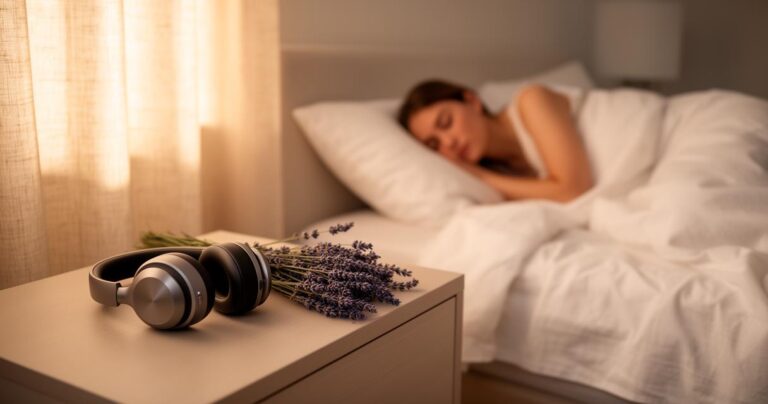
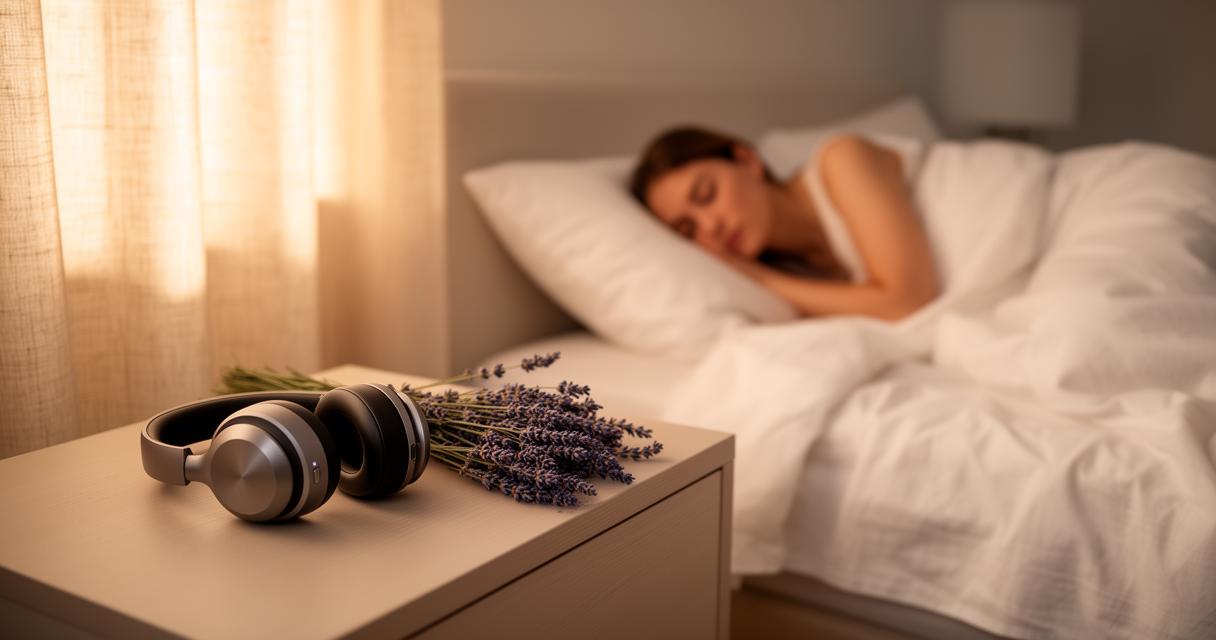
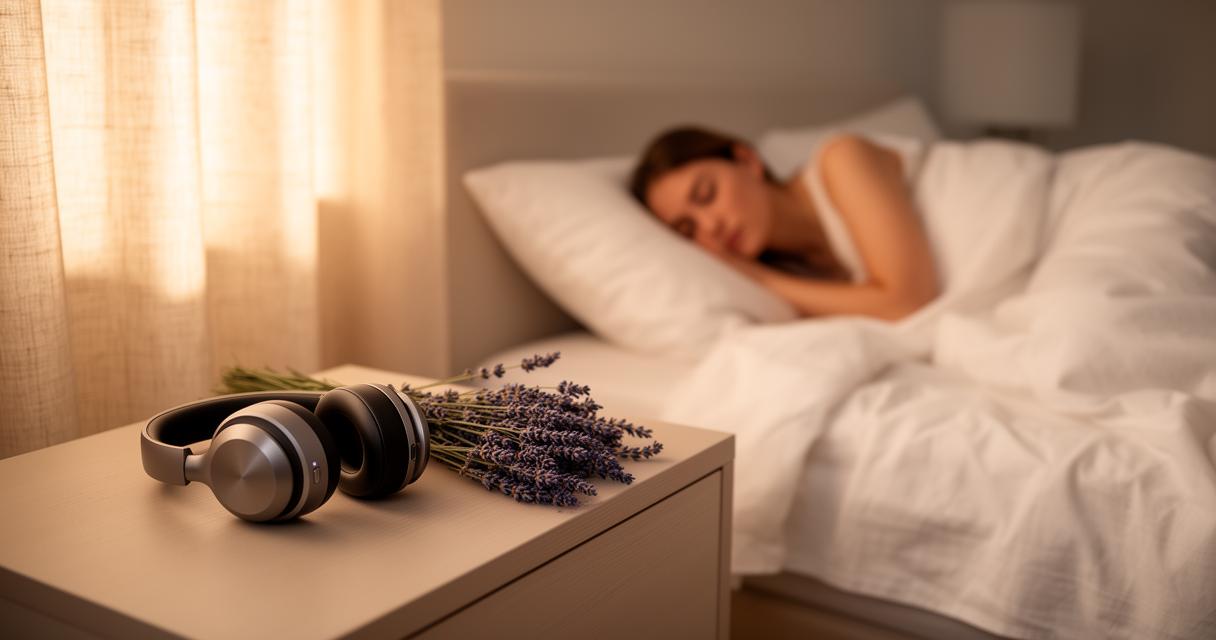
In an era where urban living and constant digital connectivity often disrupt the tranquillity needed for restorative rest, many individuals are turning to innovative audio solutions to reclaim their sleep. Noise-cancelling headphones have emerged as a popular choice for those seeking to shield themselves from disruptive sounds, whether from busy streets, snoring partners, or noisy neighbours. As 2024 unfolds, a new generation of models designed specifically for overnight comfort is capturing the attention of sleep-deprived customers worldwide, offering a blend of cutting-edge technology and thoughtful design.
The science behind noise-cancelling technology and sleep quality
Understanding how noise-cancelling technology contributes to better sleep requires a look at the mechanics of sound and its impact on the human brain. Unwanted auditory stimuli can disrupt sleep cycles, preventing the deep, restorative stages essential for physical and mental recovery. Noise-cancelling headphones work by detecting ambient sounds and generating inverse sound waves to neutralise them, effectively creating a quieter environment. This process, known as active noise reduction, has been shown to significantly diminish the intrusion of external noise, allowing the wearer to drift into sleep more easily and remain undisturbed throughout the night.
How active noise reduction transforms your sleep environment
Active noise reduction is a sophisticated process that relies on microphones and electronic circuitry to identify and counteract unwanted sounds in real time. When you wear headphones equipped with this technology, the device picks up low-frequency noises such as the hum of traffic or the drone of air conditioning units. By emitting opposing sound waves, the headphones effectively cancel out these disturbances before they reach your eardrums. For those who struggle to sleep in noisy environments, this feature can be transformative, providing a cocoon of calm that promotes relaxation and encourages uninterrupted rest. The effectiveness of active noise reduction varies depending on the quality of the headphones, with premium models offering superior sound isolation and a more immersive experience.
Understanding sound masking versus complete auditory protection
While active noise cancellation is a powerful tool, it is important to distinguish between complete auditory protection and sound masking. Complete protection aims to eliminate external sounds entirely, which is ideal for those who prefer absolute silence. Sound masking, on the other hand, involves playing gentle, soothing audio such as white noise or nature sounds to cover up disruptive noises rather than eliminating them. Many modern headphones designed for sleep offer both options, allowing users to choose between total silence and a calming auditory backdrop. This flexibility caters to different preferences and sleep needs, ensuring that each individual can tailor their experience to achieve the most restful night possible.
Top-rated models engineered specifically for overnight comfort
As demand for sleep-enhancing audio devices grows, manufacturers have responded by developing headphones that prioritise comfort alongside performance. The best models are lightweight, ergonomically designed, and made from materials that remain gentle on the skin throughout the night. They are engineered to remain secure even for side sleepers, who often find traditional headphones uncomfortable when resting on their side. Among the standout options in 2024, several brands have distinguished themselves by focusing on the unique requirements of overnight wear, blending advanced technology with user-centric design.
Bose and ozlo: leading brands revolutionising sleep-focused audio solutions
Bose has long been a trusted name in audio technology, and their latest offerings continue to set the standard for quality and innovation. The Bose QuietComfort Ultra Earbuds, for instance, have earned widespread acclaim for their exceptional noise cancellation and comfortable fit, making them a favourite among those who wear them to bed. These earbuds are designed to sit snugly in the ear without causing pressure, and their advanced sound isolation capabilities ensure that external disturbances are kept at bay. Similarly, Ozlo has made a name for itself by producing sleepbuds that are specifically tailored for overnight use. These compact, wireless devices are engineered to be virtually unnoticeable when lying on a pillow, and they deliver soothing soundscapes that help users relax and fall asleep more quickly. Both brands have demonstrated a commitment to understanding the needs of sleepers, resulting in products that are as effective as they are comfortable.
Sleepbuds and Wireless Designs: Optimal Fit for Side Sleepers
For side sleepers, finding headphones that do not press uncomfortably against the pillow can be a challenge. Traditional over-ear models are often too bulky, while many in-ear designs can shift or become dislodged during the night. Sleepbuds, a category of ultra-compact wireless earbuds, have been developed to address this issue. They are designed to be worn flush with the ear, minimising any protrusion that might cause discomfort when lying on one's side. These devices typically feature a secure fit that stays in place even during restless sleep, and they are made from soft, hypoallergenic materials that are gentle on sensitive skin. The wireless nature of sleepbuds eliminates the risk of tangled cords, further enhancing the overall sleeping experience. Many users report that these compact earbuds have made a significant difference in their ability to achieve uninterrupted rest, particularly in noisy environments where external sounds would otherwise be disruptive.
Essential Features to Consider When Choosing Sleep Headphones in 2024
Selecting the right headphones for sleep involves more than simply choosing a model with good reviews. Several key features should be evaluated to ensure that the device meets your specific needs and preferences. Comfort is paramount, as headphones will be worn for extended periods, often throughout the entire night. Sound quality is also crucial, whether you prefer complete silence or soothing audio to mask disruptive noises. Additionally, practical considerations such as battery life, connectivity options, and ease of use play a vital role in determining the overall effectiveness and convenience of the device.
Bluetooth Connectivity and Battery Life for Uninterrupted Rest
Wireless connectivity has become a standard feature in modern headphones, offering users the freedom to move without being tethered to a device. Bluetooth technology allows for seamless pairing with smartphones, tablets, or dedicated sleep apps, enabling users to customise their audio experience. When choosing headphones for sleep, it is important to consider battery life, as a device that requires frequent recharging may not provide the uninterrupted rest you seek. Many of the top-rated models available in 2024 offer impressive battery performance, with some capable of lasting through multiple nights on a single charge. Charging time is another factor to consider, as a quick recharge can be beneficial for those who occasionally forget to power up their device before bed. Bluetooth Multipoint connectivity is a feature found in some premium models, allowing the headphones to connect to multiple devices simultaneously, which can be useful for those who switch between different audio sources throughout the day and night.
Comparing reusable earplugs, foam earphones, and premium noise-cancelling options
Not all sleep headphones are created equal, and understanding the differences between reusable earplugs, foam earphones, and premium noise-cancelling models can help you make an informed decision. Reusable earplugs are a simple, cost-effective solution for passive noise reduction. They work by physically blocking sound waves from entering the ear canal, and while they can be effective for reducing low to moderate noise levels, they do not offer the same level of auditory protection as active noise-cancelling headphones. Foam earphones are another option, providing a comfortable fit and some degree of sound isolation. However, they lack the advanced technology found in premium models and may not be sufficient for those living in particularly noisy environments. Premium noise-cancelling headphones, such as the Sony WH-1000XM6 and the Cambridge Audio Melomania P100 SE, combine superior sound quality with active noise reduction, offering a more comprehensive solution for sleep enhancement. These models are priced higher than basic earplugs or foam earphones, but they deliver a level of performance that justifies the investment for many users. When comparing options, it is essential to weigh factors such as comfort, sound quality, and the specific noise challenges you face, ensuring that the device you choose aligns with your individual needs and budget.