Maintaining a clean and hygienic office is no longer simply a matter of appearances. From the reception desk to the shared kitchen, the state of your work environment speaks volumes about your company’s values and directly influences the wellbeing of everyone on your premises. With the right products, sensible routines, and a dash of modern thinking, keeping your offices in top condition is far more achievable than it might seem.
What to know
- Maintaining a clean and hygienic office is essential for building client trust and projecting professional reliability.
- Consistent workplace hygiene helps reduce employee sick days and boosts productivity by creating a more focused and orderly environment.
- Effective disinfection requires choosing surface-specific cleaning agents and always removing dirt with soap and water before applying disinfectants.
- High-quality microfiber cloths and pre-moistened wipes are effective tools for maintaining high-touch surfaces like keyboards and shared equipment without damaging them.
- Facilities management software, IoT sensors, and robotic cleaners are modern digital tools that help larger organizations ensure consistent cleaning standards.
- Implementing a structured waste sorting system and using clearly labeled bins prevents cross-contamination and promotes a healthier workspace.
- Proper training for cleaning staff and incorporating employee feedback are critical components for continuously improving office hygiene and equipment longevity.
Why Does Regular Workplace Housekeeping Matter for Your Company Image and Staff Wellbeing?
How clean premises influence client perception and professional relationships
First impressions are formed within moments of stepping through a door, and the tidiness of your office spaces plays a central role in shaping them. When clients visit your premises, they are quietly assessing the professionalism and reliability of your company. A spotless reception area, gleaming surfaces, and fresh-smelling rooms all communicate that your organisation takes pride in its standards. Research within the industry consistently points to a strong link between workplace cleanliness and trust: businesses that invest in regular maintenance of their offices tend to foster more confident relationships with both clients and partners. Beyond aesthetics, a well-maintained environment signals that staff are working in conditions that are valued, which in turn reflects well on the company as a whole.
What health benefits does proper maintenance bring to your work environment?
The health case for rigorous office cleaning is compelling. High-touch surfaces such as door handles, keyboards, and shared equipment can harbour significant amounts of bacteria, making regular disinfection not just good practice but genuinely necessary. Studies from the cleaning sector suggest that consistent hygiene maintenance can meaningfully reduce the number of sick days taken by employees, helping to limit the spread of illness across your workforce. A healthy work environment also supports concentration and morale: surveys have found that the vast majority of workers feel more productive and produce better quality output when their surroundings are clean and orderly. Investing in proper housekeeping is, in essence, an investment in your people.
Which Products and Techniques Work Best for Disinfecting Office Surfaces and Objects?
How should you choose suitable disinfectant solutions for different spaces?
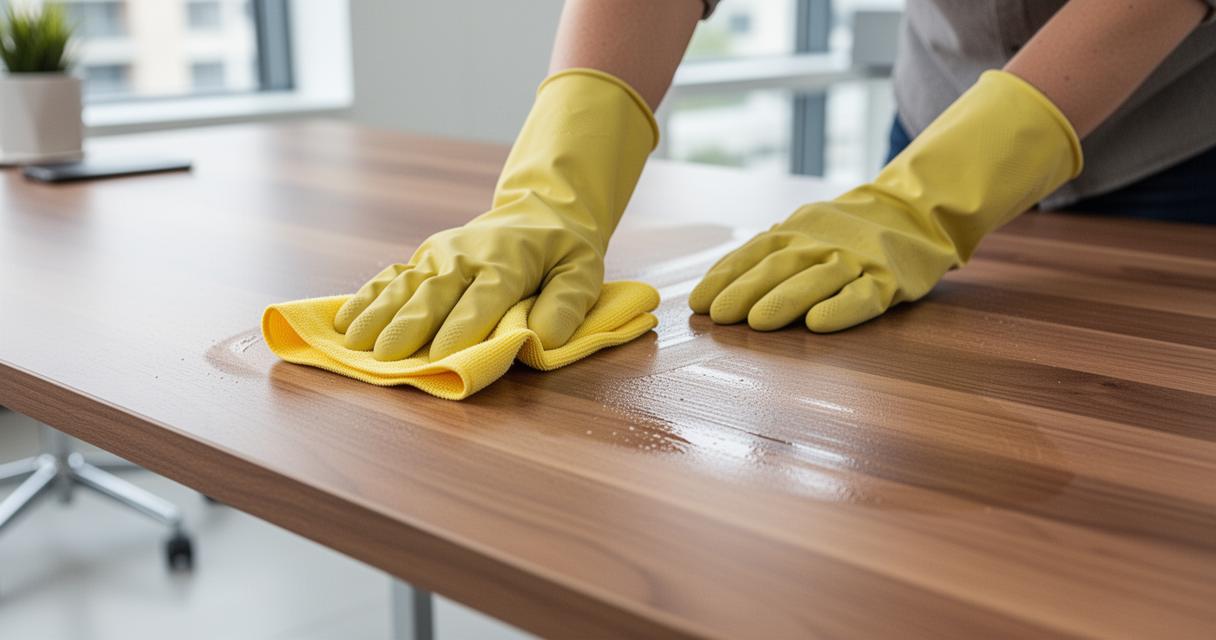
Selecting the right disinfectant for each area of your office requires a degree of thought. Not every product is suitable for every surface, and using the wrong solution can cause damage or leave residues that are counterproductive. For general office areas, a neutral cleaner works well on desks and hard floors, while washrooms benefit from dedicated daily cleaners that both disinfect and deodorise. Kitchen spaces call for quality washing-up liquid and, where stubborn stains are an issue in microwaves or kettles, a concentrated descaler is the product of choice. For windows and computer screens, an ammonia-free window cleaner is strongly recommended, as it removes smears without leaving a residue that might interfere with screen clarity. Always clean surfaces with soap and water before applying any disinfectant liquid, as this removes visible dirt and allows the disinfecting agent to act effectively. Wearing appropriate protective equipment during the process is also advisable, and ensuring good ventilation in the space you are working in makes the task safer for everyone.

What practical methods using microfiber cloth and wipes ensure thorough results?
The tools you use matter just as much as the products themselves. A good quality microfiber cloth is one of the most versatile items in any office cleaning kit: it picks up dust and dirt effectively without scratching delicate surfaces, and it can be used damp or dry depending on the task. For objects such as keyboards, telephones, and shared computer equipment, pre-moistened disinfectant wipes offer a practical and quick solution, allowing staff to maintain high-touch surfaces throughout the day without disrupting their workflow. It is worth following the manufacturer’s guidance when cleaning electronics, as some surfaces require specific care. Paper wipers are handy for managing spills and cleaning whiteboards, while professional microfiber cloths reserved for the kitchen area help prevent cross-contamination between different zones of the office. For toilet and washroom areas, dedicated cloths and solutions kept strictly separate from those used elsewhere are essential for maintaining proper surface sanitisation.
How can technology and smart organisation transform office hygiene routines?
Which digital tools help monitor cleaning schedules across multiple premises?
Modern office cleaning standards are increasingly supported by digital innovation. Software platforms designed specifically for facilities management allow teams to monitor cleaning schedules, track the availability of supplies, and receive alerts when attention is needed across multiple sites. This kind of oversight is particularly valuable for larger organisations managing several premises at once, where consistency can be difficult to maintain without clear systems in place. Beyond scheduling tools, the broader cleaning industry is embracing developments such as IoT sensors and robotic cleaners, which are beginning to appear in commercial settings. Employee feedback mechanisms are also proving their worth: gathering input from staff about the cleanliness of shared areas helps identify problem spots and drives continuous improvement in cleaning best practices. Training for cleaning staff is equally significant, as well-prepared teams not only maintain higher standards but also extend the lifespan of office equipment through proper care.
How Does Selective Sorting and Waste Management Support a Healthy Workspace?
A truly healthy work environment extends beyond wiping down surfaces and emptying bins. Selective sorting of waste — separating recyclables, general refuse, and hazardous materials such as used cleaning products — is a straightforward measure that contributes to both hygiene and environmental responsibility. Clearly labelled bins positioned throughout the office encourage staff to participate, reducing the risk of cross-contamination and keeping shared spaces tidier throughout the working day. Eco-friendly cleaning products, including biological formulations, are gaining traction in workplace settings not only for their reduced environmental impact but also for practical benefits such as lower plumbing maintenance costs over time. Storing all cleaning solutions and disinfectant products clearly labelled and out of reach in a dedicated cupboard is both a safety requirement and good organisational practice. When waste management and disinfection routines are woven into the daily rhythm of office life, the result is a work environment that feels consistently fresh, professional, and genuinely conducive to getting things done.