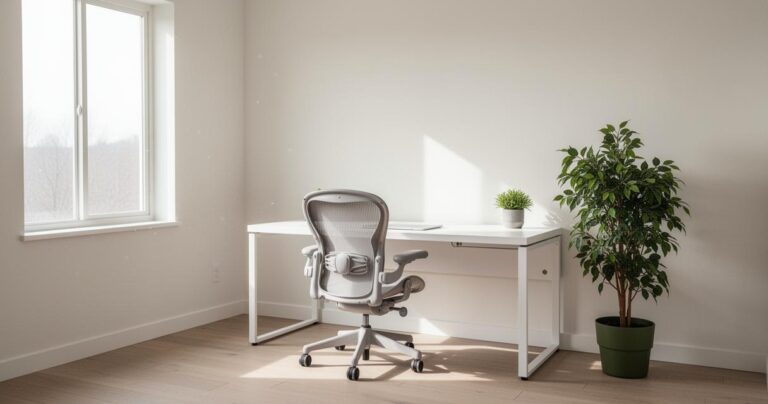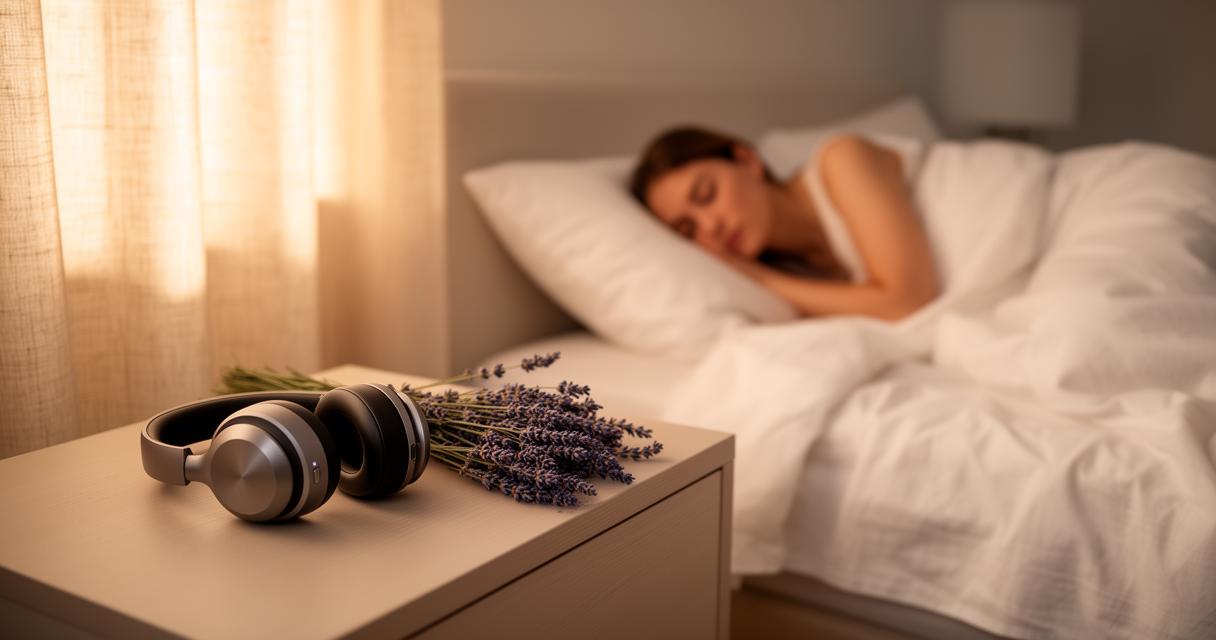
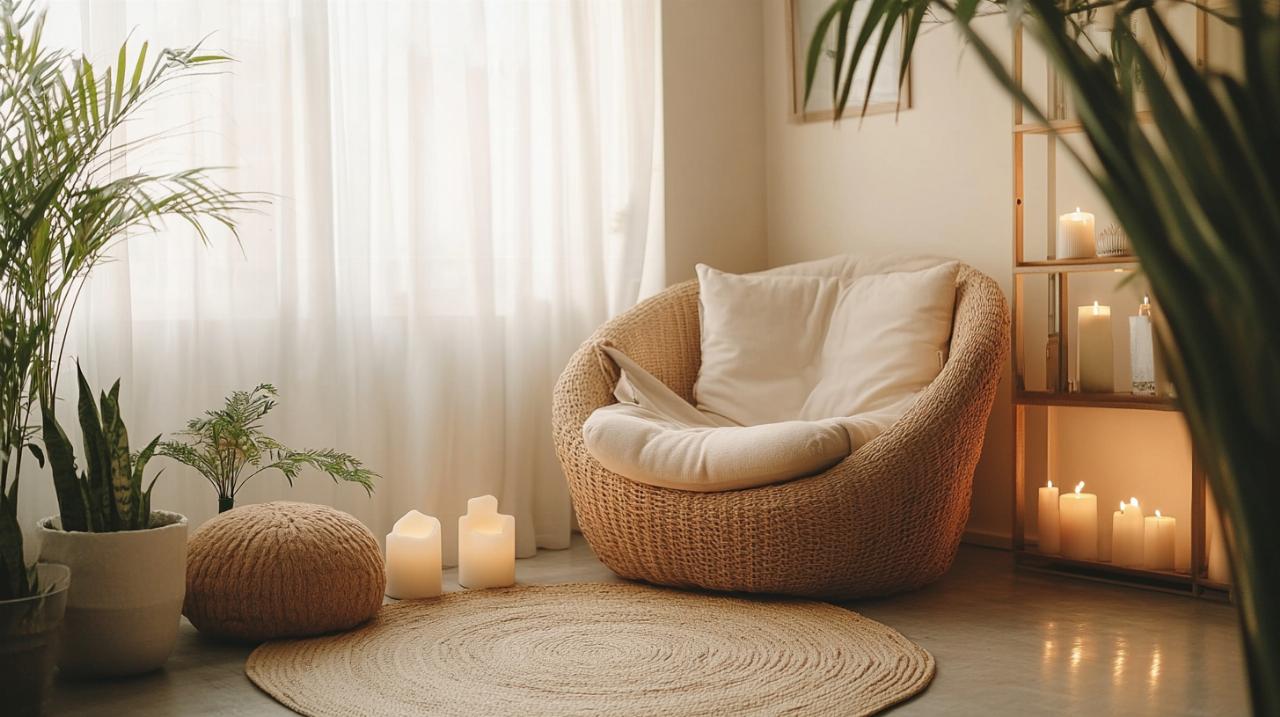
In an age where the boundaries between work and home life continue to blur, carving out dedicated self-care spaces within your living environment has become more essential than ever. These thoughtfully designed areas serve as personal sanctuaries, offering a retreat from the demands of daily life and a place to reconnect with yourself. By integrating wellness principles into your home design, you can transform ordinary rooms into havens of tranquillity that support both mental and physical health. Whether you have an entire room to spare or just a quiet corner, the possibilities for creating a relaxing retreat are both accessible and rewarding.
Creating dedicated wellness zones in your home
The concept of a wellness space goes beyond mere aesthetics; it is about establishing an environment that actively nurtures your well-being and encourages you to indulge in self-care treatments as part of your daily routine. Rather than relying on fleeting visits to spas or studios, bringing these restorative experiences into your own home allows for spontaneous moments of rejuvenation whenever you need them most. The key is to identify areas within your property that can be transformed into zones dedicated exclusively to relaxation, mindfulness, and personal care. This might involve repurposing an underused spare room, converting a conservatory into a light-filled sanctuary, or even designing a bespoke extension that serves as a standalone retreat. The architectural wellbeing approach emphasises how a space will be used and felt, ensuring that every design decision contributes to a sense of calm and balance. By focusing on the emotional and sensory experience of these areas, you create environments that truly support your journey towards greater self-awareness and peace.
Designing a Tranquil Meditation and Yoga Corner
A dedicated meditation or yoga corner can become the heart of your wellness routine, providing a consistent space where you can practice mindfulness and physical movement without distraction. When selecting the location for this zone, consider areas of your home that receive gentle natural light and remain relatively quiet throughout the day. The flooring should be comfortable enough to accommodate yoga mats and cushions, with soft rugs or natural fibres adding warmth and texture underfoot. To enhance the sensory experience, incorporate calming sounds such as meditative playlists or the soothing trickle of a small water feature. These auditory elements help to mask external noise and create an immersive atmosphere that supports deep relaxation. Storage solutions such as woven baskets or low shelving can keep your mats, blocks, and cushions neatly organised while maintaining the minimalist aesthetic that is so conducive to meditation. The overall design should feel uncluttered and serene, with each element carefully chosen to promote a sense of stillness and focus. This is a space where you can step away from the chaos of everyday life and reconnect with your breath, body, and mind in a meaningful way.
Establishing a Cosy Reading Nook for Mental Respite
For those who find solace in the written word, a cosy reading nook offers a perfect escape from the pressures of modern living. This intimate corner can be as simple as a comfortable armchair positioned near a window, paired with a small side table for your cup of tea and a soft throw blanket draped over the arm. The key to creating a successful reading nook lies in the quality of the seating and the warmth of the lighting. Opt for a chair with excellent lumbar support and deep cushions that invite you to settle in for hours at a time. Soft lighting is essential; consider installing a dimmable wall sconce or a floor lamp with a warm-toned bulb that can be adjusted to suit different times of day. Blackout curtains can be a valuable addition if your nook is in the bedroom, allowing you to control the amount of natural light and create a more intimate atmosphere when needed. Personalising this space with a few cherished objects, such as a favourite piece of artwork or a collection of well-loved books, will make it feel uniquely yours. This is a place where you can lose yourself in a story, reflect on the day, or simply enjoy a few quiet moments of contemplation without interruption.
Harnessing Natural Elements for a Calming Atmosphere
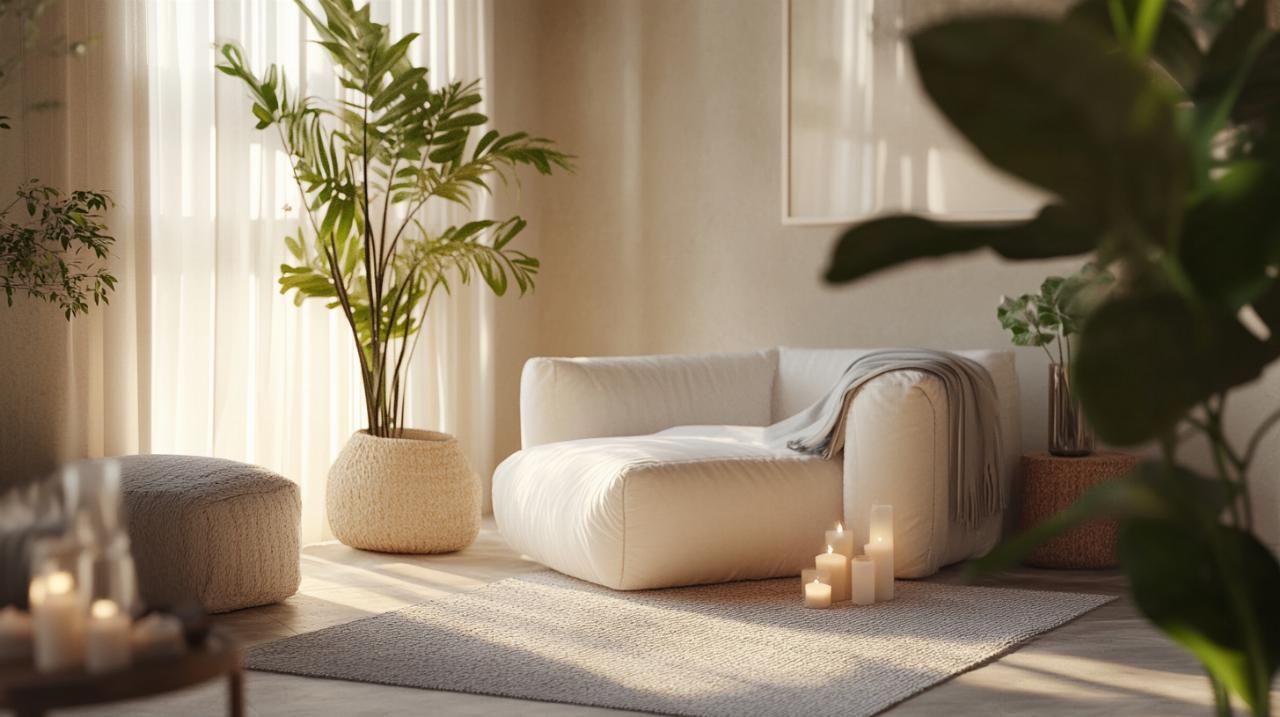
One of the most effective ways to cultivate a sense of tranquillity within your home is to draw inspiration from the natural world. Biophilic design, which emphasises the human connection to nature, has been shown to reduce stress, improve mood, and enhance overall well-being. By incorporating organic materials, maximising natural light, and introducing elements of greenery, you can create an environment that feels grounded, restorative, and alive. This approach is particularly well-suited to self-care spaces, where the goal is to support relaxation and mindfulness through thoughtful design choices. Natural materials such as wood, stone, linen, and wool bring warmth and texture to interiors, while their tactile qualities engage the senses in a way that synthetic alternatives simply cannot match. The presence of indoor plants not only improves air quality but also provides a visual connection to the outdoors, fostering a sense of peace and vitality. By harnessing these natural elements, you create a home sanctuary that feels both luxurious and deeply nourishing.
Incorporating organic materials and textures throughout your space
The selection of materials plays a crucial role in shaping the atmosphere of your self-care spaces. Wood, with its rich grain and natural variations, adds warmth and character to any room, whether it appears in flooring, furniture, or architectural details. Stone, with its cool, solid presence, brings a sense of permanence and grounding, making it an excellent choice for bathroom surfaces, feature walls, or decorative elements. Linen and wool, both celebrated for their softness and breathability, are ideal for textiles such as curtains, cushions, and throws, contributing to a layered, inviting aesthetic. These organic materials work together to create a harmonious environment that feels both refined and approachable. Treating wooden surfaces with linseed oil can enhance their natural beauty while providing protection against wear and moisture. The tactile experience of running your hand over a smooth wooden armrest or a cool stone countertop adds a sensory dimension to your daily routine, reminding you to slow down and appreciate the present moment. By prioritising quality over quantity and choosing materials that age gracefully, you invest in a home that will continue to support your well-being for years to come.
Maximising natural light and fresh air circulation
Natural light is one of the most powerful tools available to interior designers seeking to create uplifting, health-promoting spaces. Exposure to daylight has been shown to regulate circadian rhythms, boost mood, and improve sleep quality, making it an essential consideration for any wellness space. Floor-to-ceiling windows are an excellent way to flood a room with sunlight while providing unobstructed views of the outdoors, whether you overlook a garden, a terrace, or a tranquil outdoor relaxation area. If privacy is a concern, consider using sheer curtains or frosted glass panels that allow light to filter through while maintaining discretion. Skylights and roof lanterns can bring natural light into spaces that lack external walls, transforming even the most utilitarian rooms into bright, airy retreats. Fresh air circulation is equally important; incorporating large bi-fold doors or casement windows that open fully encourages cross-ventilation and connects your interior spaces with the garden beyond. This seamless transition between indoors and outdoors is a hallmark of biophilic design, blurring the boundaries and creating a sense of expansiveness. In the bathroom, heated floors and rainfall shower heads combine comfort with functionality, while Himalayan salt lamps add a warm, ambient glow that promotes relaxation. By prioritising both natural light and ventilation, you create an environment that feels alive, fresh, and deeply restorative.