
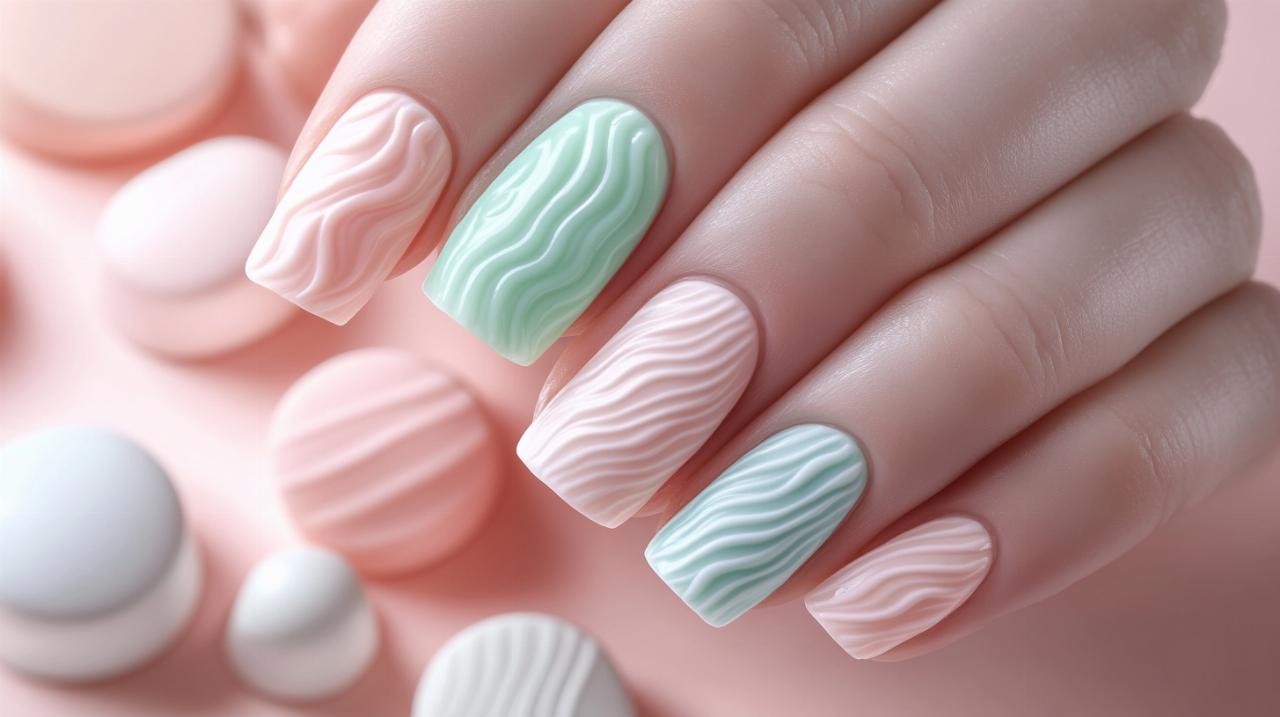
Nail ridges and wavy textures can be more than just cosmetic concerns. They often serve as subtle indicators of what is happening beneath the surface of our skin, reflecting our overall health, nutrition, and even the natural passage of time. Understanding what causes these changes in nail appearance is the first step towards addressing them effectively and ensuring that our nails remain strong and healthy throughout various growth cycles.
Understanding the Root Causes of Nail Ridges and Wavy Nails
The appearance of ridges and waves on our nails can stem from a variety of factors, ranging from the natural ageing process to more specific health conditions. These visible changes are not always a cause for alarm, but they do warrant attention, especially when they appear suddenly or are accompanied by other symptoms. Recognising the underlying reasons for these textural changes is crucial for determining the most appropriate course of action.
Common health conditions linked to nail texture changes
Several health conditions can manifest themselves through alterations in nail texture. Thyroid disease, for instance, has been known to affect the growth and appearance of nails, leading to ridges or other irregularities. Similarly, skin conditions such as psoriasis may cause changes in the nail bed, resulting in visible lines or waves. Autoimmune disorders can also play a role, as the immune system's impact on the body often extends to the nails. In some cases, horizontal ridges known as Beau's lines can appear following severe illness, chemotherapy, or significant injury. These lines are a direct reflection of a disruption in the nail growth cycle, indicating that the body was under considerable stress at the time of their formation. It is important to note that while some nail changes are benign and related to normal ageing, others may signal the need for further medical investigation.
The Role of Nutrition and Hydration in Nail Development
Nutritional deficiencies are a common culprit behind the development of nail ridges and wavy textures. A lack of essential minerals such as zinc or iron can lead to changes in nail structure, as these nutrients are vital for healthy cell turnover and growth. When the body does not receive adequate amounts of these minerals, the nails may become brittle, develop ridges, or exhibit other irregularities. In addition to mineral deficiencies, overall hydration plays a significant role in maintaining nail health. Nails that are consistently dry or exposed to harsh conditions may develop ridges or become more prone to splitting. Ensuring that your diet includes a balanced intake of vitamins and minerals, alongside sufficient water consumption, can help support the natural growth and strength of your nails. Biotin supplements have also been suggested as a means of improving nail resilience, particularly for individuals who experience frequent brittleness or breakage.
Identifying Different Types of Nail Ridges and Their Meanings
Not all nail ridges are created equal, and understanding the distinction between different types can provide valuable insights into what your body may be trying to communicate. Vertical ridges tend to run from the base of the nail to the tip, while horizontal ridges stretch across the nail from side to side. Each type has its own set of potential causes and implications for your health.
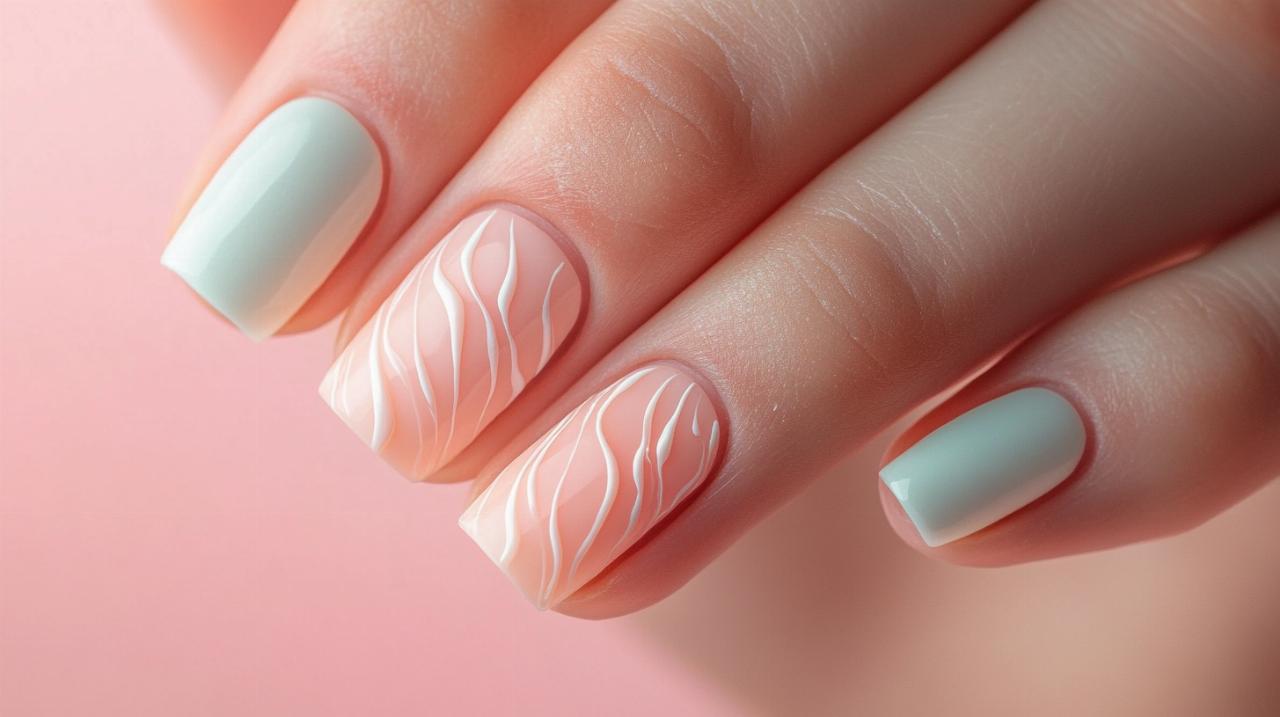
Vertical ridges: what they signal about your health
Vertical ridges are among the most common nail changes observed, particularly in older adults. As we age, the rate of cell turnover slows down, which can result in the formation of these up-and-down lines. In many cases, vertical ridges are simply a natural part of the ageing process and do not indicate any serious underlying health issue. However, it is still worth paying attention to any sudden changes or accompanying symptoms. While vertical ridges are often benign, they can occasionally be linked to skin conditions or other health concerns. If you notice that the ridges are becoming more pronounced, or if they are accompanied by discolouration, swelling, or changes in nail shape, it may be advisable to consult a healthcare professional. Regular check-ups can help ensure that any potential issues are identified and addressed promptly, contributing to overall wellness and preventative care.
Horizontal Lines and Waves: When to Seek Medical Advice
Horizontal ridges, often referred to as Beau's lines, are typically a sign that the nail growth was temporarily interrupted. This interruption can be caused by a range of factors, including severe illness, high fever, chemotherapy, or physical trauma to the nail. Unlike vertical ridges, which are often a natural consequence of ageing, horizontal lines tend to indicate a more acute event that affected the body's ability to grow nails normally during a specific period. If you observe new horizontal ridges on your nails, it is important to reflect on any recent health events or stressors that may have triggered their formation. In some instances, these lines can be a clue to underlying medical conditions that require diagnosis and treatment. A healthcare provider may recommend urine and blood tests to investigate potential nutritional deficiencies or other health issues. Seeking medical advice is especially important if the ridges are accompanied by changes in nail colour, swelling, or if they persist over time without improvement.
Effective Solutions and Treatments for Healthier Nails
Once the underlying cause of nail ridges or wavy textures has been identified, there are several steps you can take to improve the health and appearance of your nails. From nourishing topical treatments to lifestyle adjustments, a comprehensive approach can help restore your nails to their former strength and smoothness.
Nourishing oils and proper nail care routines
Incorporating nourishing oils into your nail care routine can make a significant difference in the texture and resilience of your nails. Oils such as jojoba, almond, or even simple olive oil can provide much-needed hydration to the nail bed and cuticle area. Regular moisturising helps to prevent dryness and brittleness, which are common contributors to the development of ridges. Additionally, adopting a proper nail care routine involves gentle filing, avoiding excessive use of nail polish remover, and steering clear of habits such as nail biting. Biotin supplements are another option worth considering, as they have been shown to support nail health and may help reduce the appearance of ridges over time. It is also beneficial to keep your nails at a moderate length and to avoid exposing them to prolonged contact with water or chemicals. Simple practices such as wearing gloves when washing dishes or using cleaning products can protect your nails from unnecessary stress and damage. By combining these home care strategies with a focus on nutrition and hydration, you can create an environment that supports healthy nail growth throughout all stages of the growth cycle.
Avoiding harsh chemicals and protecting your nail beds
One of the most effective ways to prevent and treat nail ridges is to minimise exposure to harsh chemicals and environmental stressors. Many conventional nail polishes, removers, and artificial nail products contain ingredients that can weaken the nail structure and disrupt the natural growth process. Opting for gentler, acetone-free formulations can help preserve the integrity of your nails. In addition to choosing the right products, it is important to allow your nails time to breathe between manicures. Constant application of nail polish or artificial enhancements can prevent moisture from reaching the nail bed, leading to dryness and the formation of ridges. Regular breaks from polish, combined with the use of nourishing treatments, can give your nails the opportunity to recover and regenerate. Protecting your nail beds also means being mindful of physical trauma. Even minor injuries can disrupt the growth cycle and result in visible changes such as ridges or waves. If you notice any signs of infection, swelling, or persistent changes in your nail appearance, it is advisable to seek medical advice promptly. A healthcare professional can provide a thorough examination and recommend appropriate treatment, whether that involves topical applications, dietary adjustments, or further diagnostic testing. By addressing both the external and internal factors that influence nail health, you can take proactive steps towards achieving smoother, stronger nails and maintaining overall wellness.