Managing oily skin has long been a delicate balancing act for countless individuals seeking both hydration and shine control. In 2025, the skincare landscape has evolved dramatically, with innovative formulations and scientifically backed ingredients reshaping how we approach moisture for complexions prone to excess sebum. Leading brands such as Yves Rocher, La Roche-Posay, and Avène have pioneered new standards in texture, absorption, and targeted care, offering solutions that cater to diverse needs from sensitive to combination and acne-prone skin types. This comprehensive exploration delves into the five best creams transforming oily skin care this year, highlighting what makes these products indispensable for a balanced, radiant complexion.
Understanding oily skin: why specialised moisturisers matter in 2025
Oily skin presents unique challenges that demand more than just surface-level fixes. The visible shine, enlarged pores, and frequent breakouts associated with this skin type stem from overactive sebaceous glands, which produce excessive sebum. While this natural oil serves a protective function, too much of it can lead to clogged pores and an uneven complexion. In 2025, the emphasis has shifted towards understanding that even oily skin requires consistent hydration to maintain a healthy barrier function. Specialised moisturisers designed for this skin type work to regulate oil production while delivering essential moisture, ensuring that the skin does not overcompensate by producing even more sebum.
The science behind sebum production and hydration balance
Sebum production is governed by hormones, genetics, and environmental factors, making it a complex process that varies from person to person. When the skin's moisture barrier is compromised or when hydration levels drop, sebaceous glands can respond by ramping up oil production in an attempt to protect the skin. This counterintuitive response explains why skipping moisturiser often exacerbates oily skin rather than alleviating it. Advanced formulations in 2025 leverage ingredients such as hyaluronic acid, which can hold up to a thousand times its weight in water, to deliver deep hydration without adding heaviness or grease. By maintaining optimal moisture levels, these creams signal to the skin that it does not need to produce excess oil, gradually rebalancing sebum output over time.
Common misconceptions about moisturising oily complexions
A prevalent misconception is that oily skin does not need moisturiser or that applying cream will make the complexion even shinier. This belief has been thoroughly debunked by dermatological research and real-world experience. In reality, depriving oily skin of moisture can trigger a vicious cycle where the skin becomes dehydrated beneath its oily surface, leading to irritation, sensitivity, and increased breakouts. Another myth is that all moisturisers for oily skin are identical, when in fact formulations vary widely in texture, active ingredients, and intended benefits. Modern creams tailored for oily skin are designed to be lightweight, fast-absorbing, and non-comedogenic, ensuring they hydrate without clogging pores or contributing to shine. Understanding these nuances is crucial for selecting the right product and achieving a balanced, healthy complexion.
Top 5 cream formulations revolutionising oily skin care this year
The market in 2025 has introduced a remarkable array of cream formulations that prioritise both efficacy and sensory experience. These products combine cutting-edge science with user-friendly textures, making them suitable for daily use and adaptable to various skincare routines. The top five creams setting new benchmarks this year share common traits such as oil-free bases, lightweight consistency, and the inclusion of ingredients that address both hydration and sebum control. Brands like Yves Rocher, La Roche-Posay, and Avène have been at the forefront of this revolution, each bringing unique innovations that cater to the evolving demands of consumers seeking transparency, sustainability, and customisation in their skincare choices.
Lightweight gel-cream textures: the new standard for shine control
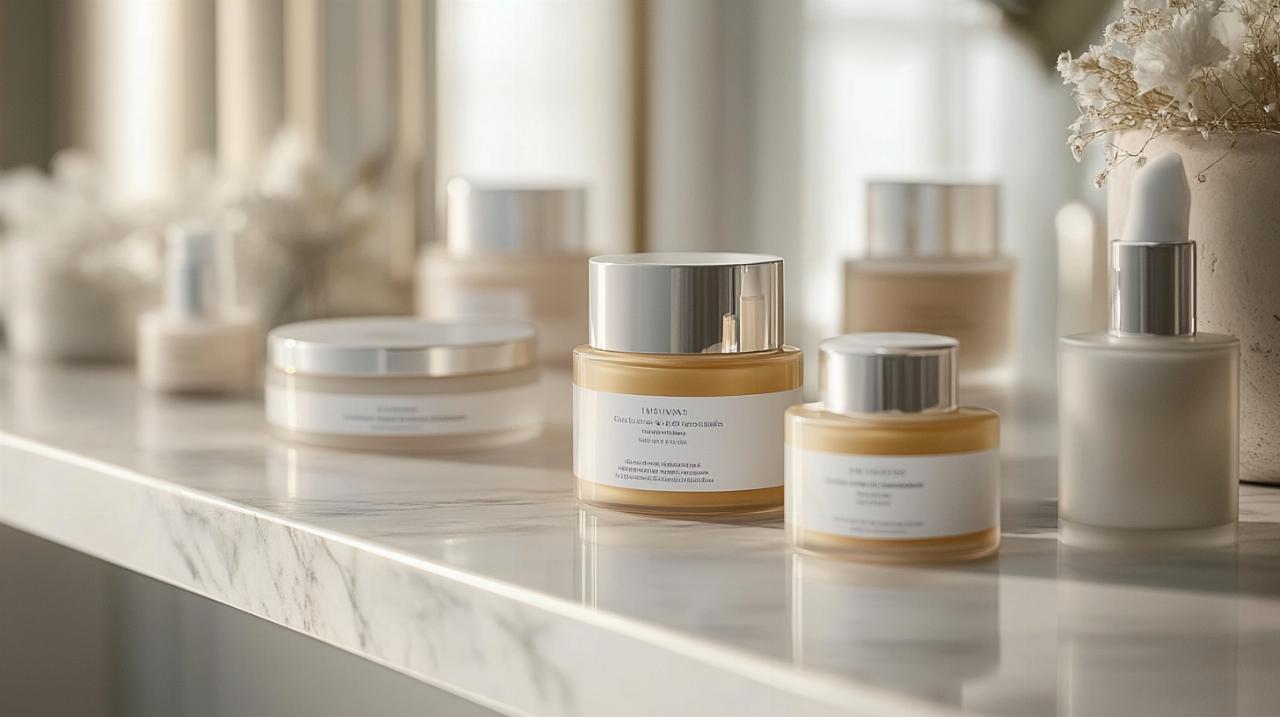
Gel-cream hybrids have emerged as the gold standard for oily skin moisturisation in 2025. These formulations blend the refreshing, airy feel of a gel with the nourishing properties of a cream, resulting in a product that absorbs rapidly and leaves no greasy residue. The texture itself plays a critical role in user compliance, as individuals with oily skin are more likely to apply and reapply a moisturiser that feels comfortable and invisible on the skin. Leading brands have perfected this balance by incorporating water-based matrices and silicone alternatives that provide a velvety finish without occluding pores. The result is a product that mattifies the complexion throughout the day while delivering sustained hydration, making it ideal for both morning and evening routines.
Hyaluronic Acid and Oil-Free Formulas: Game-Changing Ingredients from Leading Brands
Hyaluronic acid has become a cornerstone ingredient in the best creams for oily skin, thanks to its unparalleled ability to attract and retain moisture. This naturally occurring molecule is celebrated for its compatibility with all skin types, including those prone to excess oil and blemishes. In oil-free formulas, hyaluronic acid works synergistically with other humectants and emollients to create a hydration reservoir within the skin, plumping fine lines and smoothing texture without adding weight. Brands such as La Roche-Posay and Avène have harnessed this ingredient in innovative ways, pairing it with soothing thermal spring water and sebum-regulating botanical extracts. The result is a new generation of moisturisers that not only hydrate but also calm inflammation, reduce redness, and support the skin's natural repair processes. These formulations are particularly beneficial for individuals with combination or acne-prone oily skin, as they address multiple concerns simultaneously without overwhelming the complexion.
Brand spotlight: how yves rocher, la roche-posay and avène are setting industry benchmarks
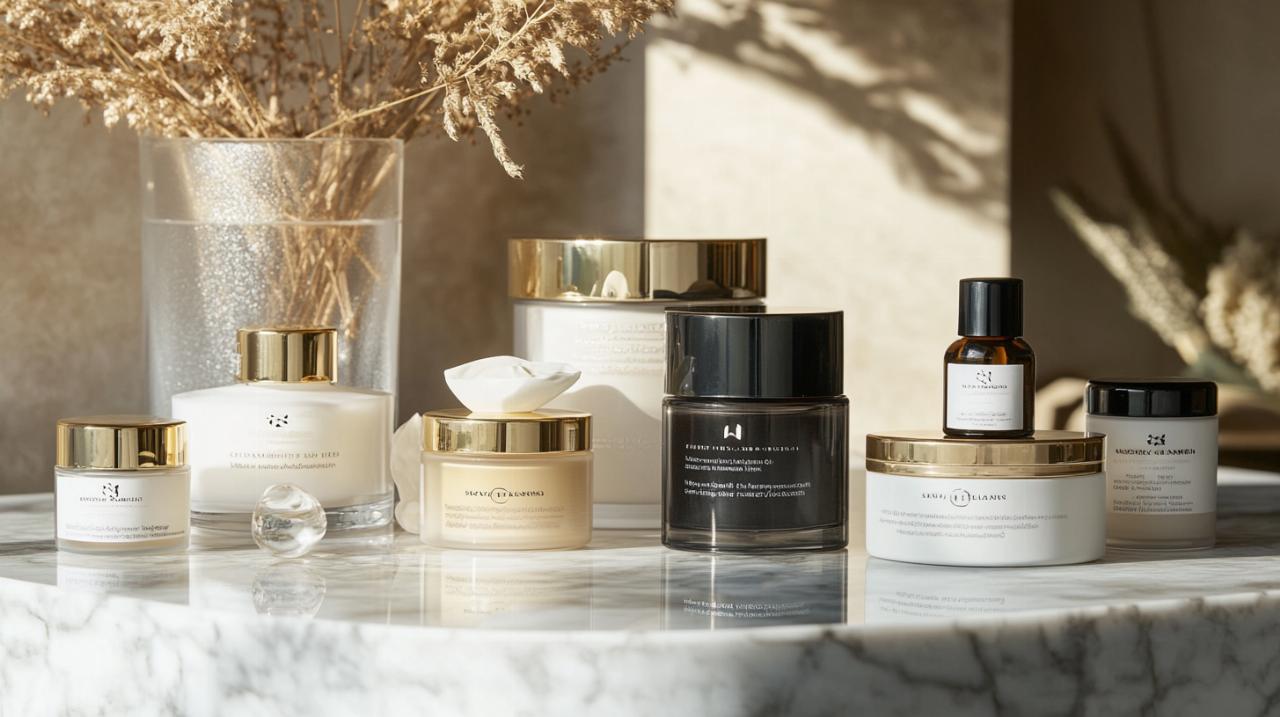
The success of Yves Rocher, La Roche-Posay, and Avène in the oily skin care segment is no accident. Each brand has invested heavily in research, clinical testing, and consumer feedback to develop products that meet the highest standards of performance and safety. Yves Rocher brings a botanical expertise rooted in decades of plant-based formulation, creating creams that harness the power of natural ingredients to balance and purify oily complexions. La Roche-Posay is renowned for its dermatological rigour and partnerships with healthcare professionals, resulting in products that are often recommended by dermatologists for their efficacy and gentleness. Avène draws on the unique properties of its thermal spring water, which is rich in minerals and known for its soothing and anti-irritant effects. Together, these brands exemplify the industry's shift towards ingredient transparency, sustainability, and personalised skincare solutions.
Innovation in Texture and Absorption: What Makes These Brands Stand Out
Texture and absorption are pivotal factors that distinguish top-tier oily skin creams from mediocre options. Yves Rocher has pioneered the use of micro-emulsion technology, which breaks down active ingredients into ultra-fine particles that penetrate the skin more efficiently. This innovation ensures that botanical extracts and hydrating agents reach the deeper layers of the epidermis, where they can exert their beneficial effects. La Roche-Posay has focused on developing textures that are suitable for sensitive oily skin, incorporating prebiotic ingredients that support the skin's microbiome and enhance its resilience. Avène has mastered the art of creating feather-light creams that feel almost imperceptible on the skin, yet deliver lasting hydration and comfort. These advances in formulation science mean that users can enjoy the benefits of a moisturiser without the sticky, heavy sensation that once plagued products for oily skin.
Tailoring Solutions for Different Oily Skin Types: Sensitive, Combination, and Acne-Prone
Not all oily skin is created equal, and the best brands recognise the importance of customisation. Sensitive oily skin requires gentle, fragrance-free formulas that minimise the risk of irritation while controlling shine. Avène excels in this category, offering creams that are hypoallergenic and tested on reactive skin. Combination skin, which features both oily and dry areas, benefits from products that provide balanced hydration without exacerbating either condition. Yves Rocher has developed dual-action creams that hydrate dry zones while mattifying oily areas, making them ideal for this challenging skin type. Acne-prone oily skin demands a non-comedogenic approach, with ingredients that actively prevent breakouts while maintaining moisture. La Roche-Posay's formulations often include salicylic acid or niacinamide, which help to unclog pores and reduce blemishes without stripping the skin of its natural moisture. This level of tailoring ensures that every individual can find a cream that addresses their specific needs and lifestyle.
In addition to product innovation, these brands have embraced broader trends shaping the skincare industry in 2025. Ingredient transparency has become a non-negotiable expectation, with consumers demanding clear information about what goes into their creams and why. Sustainability is another key priority, as environmentally conscious shoppers seek out brands that use recyclable packaging and ethically sourced ingredients. Customisation has also taken centre stage, with many companies offering quizzes and consultations to help individuals identify the best products for their unique skin profiles. The availability of free tracked postage for orders over a certain threshold, such as forty pounds, and the inclusion of taxes, discounts, and shipping in checkout calculations further enhance the shopping experience. Money-back guarantees, typically spanning twenty-eight days, provide reassurance that consumers can try new products with confidence.
The rise of online shopping has transformed how people discover and purchase skincare, with platforms offering comprehensive product categories including best sellers, gift sets, cleansers, toners, moisturisers, and body products. Shoppers can filter by skin type, whether combination, dry, oily, or normal, ensuring that they find formulations tailored to their needs. Educational resources such as blogs and FAQs empower consumers to make informed decisions, while contact options and rewards programmes foster loyalty and engagement. Currency flexibility, with a focus on GBP for the United Kingdom market, makes international brands accessible to a wider audience. Highlighted names such as White Rabbit Skincare, CeraVe, Drunk Elephant, The Ordinary, Paula's Choice, and Biossance reflect the diversity of options available, each bringing distinct philosophies and ingredient profiles to the table.
As 2025 unfolds, the landscape for oily skin care continues to evolve, driven by scientific innovation, consumer demand, and a commitment to quality. The five best creams profiled here represent the pinnacle of what modern skincare can achieve, combining effective hydration, sebum control, and skin health support in elegantly designed formulas. Whether you are navigating the challenges of sensitive, combination, or acne-prone oily skin, the offerings from Yves Rocher, La Roche-Posay, and Avène provide reliable, dermatologist-endorsed solutions that fit seamlessly into any routine. By prioritising lightweight textures, hyaluronic acid, and oil-free formulations, these brands have redefined what it means to moisturise oily skin, proving that hydration and shine control are not mutually exclusive but rather complementary goals on the path to a balanced, radiant complexion.