
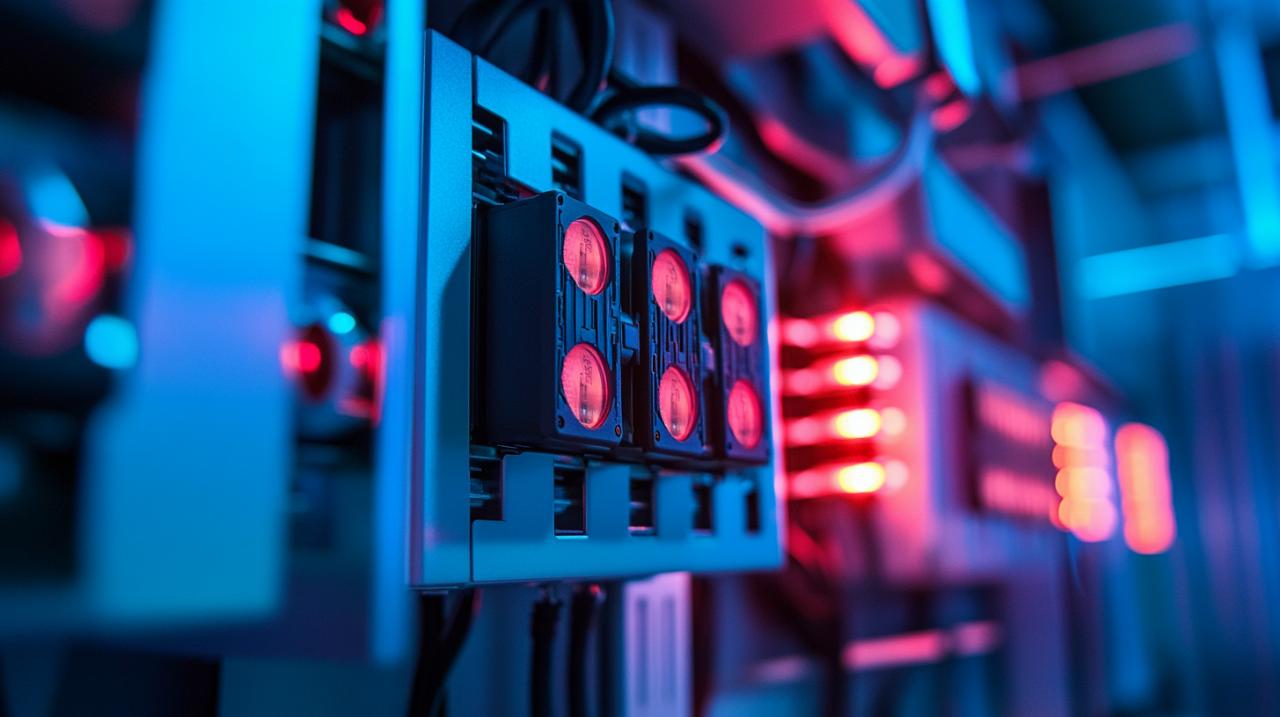
Contemporary electrical infrastructure has undergone a remarkable transformation in recent years, driven by technological innovation and evolving expectations for both domestic and commercial environments. Today's properties require far more than traditional wiring and lighting installations. They demand integrated solutions that combine efficiency, intelligence, and sustainability whilst meeting rigorous safety standards. This evolution reflects broader shifts towards smarter living and working spaces, where electrical systems serve as the backbone for connected devices, energy management, and enhanced user experiences.
Cutting-edge smart systems transforming residential properties
The modern home has become a hub of interconnected technology, and electrical installations must support an expanding ecosystem of intelligent devices. Homeowners increasingly expect their properties to respond to their needs automatically, adjusting environments based on occupancy, time of day, and personal preferences. This shift represents not merely a luxury but a fundamental reimagining of how electrical infrastructure integrates with daily life. From automated climate control to voice-activated assistants, the electrical backbone must be robust enough to handle complex data flows whilst remaining energy efficient and reliable.
Intelligent lighting and automated control networks
Smart lighting systems have moved from novelty status to essential components of contemporary residential design. These advanced networks allow occupants to customise illumination levels, colour temperatures, and schedules through intuitive interfaces accessible via smartphones or voice commands. Beyond convenience, such systems deliver measurable reductions in energy consumption by eliminating unnecessary usage and optimising brightness based on natural light availability. Motion sensors and geofencing technology ensure that lights activate only when spaces are occupied, whilst gradual dimming features can support natural circadian rhythms and improve sleep quality. The integration of LED technology further enhances these benefits, offering exceptional longevity and minimal power draw compared to traditional incandescent or halogen alternatives. Installation of these sophisticated networks requires careful planning to ensure compatibility across devices and platforms, with electricians increasingly adopting future-proof designs that accommodate emerging standards and protocols. Wireless communication protocols have simplified retrofitting existing properties, though new constructions benefit from structured cabling that supports both current and anticipated technological demands. The ergom beauty blog has highlighted how such thoughtful electrical planning enhances not only functionality but also the aesthetic appeal of living spaces, creating harmonious environments where technology remains discreetly integrated rather than visually intrusive.
Energy monitoring platforms for enhanced home management
Understanding and controlling energy consumption has become a priority for homeowners concerned with both environmental impact and rising utility costs. Energy management systems provide real-time visibility into power usage across different circuits and appliances, empowering residents to identify inefficiencies and make informed decisions about their consumption patterns. These platforms often incorporate machine learning algorithms that analyse usage trends and suggest optimisations, from scheduling high-consumption appliances during off-peak tariff periods to identifying malfunctioning equipment drawing excessive power. Integration with renewable energy sources such as solar panels and battery storage systems creates comprehensive ecosystems where generation, storage, and consumption are balanced dynamically. Inverters and charge controllers work seamlessly with monitoring platforms to maximise self-consumption of generated electricity, reducing reliance on grid imports and enhancing energy independence. Advanced systems can even participate in demand response programmes, automatically adjusting consumption during peak periods in exchange for financial incentives from energy suppliers. The installation of such sophisticated infrastructure requires electricians with specialised knowledge of both traditional electrical principles and emerging digital technologies, ensuring that hardware and software components function cohesively. Ground fault circuit interrupters and arc fault circuit interrupters remain essential safety features, protecting against electrical hazards whilst monitoring systems track their operational status and alert homeowners to potential issues before they escalate.
Commercial electrical infrastructure for tomorrow's workspaces

Business environments face unique electrical challenges that extend well beyond residential requirements. Modern workplaces must support diverse technological ecosystems including extensive computing networks, telecommunications infrastructure, security systems, and increasingly sophisticated environmental controls. Reliability stands paramount, as electrical disruptions can result in significant operational interruptions and financial losses. Forward-thinking organisations recognise that investing in robust electrical infrastructure delivers long-term value through enhanced operational efficiency, reduced maintenance costs, and improved occupant wellbeing. The shift towards flexible working arrangements and hybrid office models has introduced additional complexity, requiring electrical systems capable of adapting to fluctuating occupancy levels and changing spatial configurations.
Scalable power distribution solutions for growing enterprises
Businesses experiencing growth or anticipating expansion require electrical infrastructure that can scale without necessitating complete system overhauls. Modern power distribution solutions incorporate modular designs that allow capacity increases through straightforward additions rather than disruptive replacements. Electrical panels with smart monitoring capabilities provide facility managers with detailed insights into load distribution, enabling proactive capacity planning and preventing unexpected overloads. Structured cabling systems support not only current data networking requirements but also future technologies such as advanced IoT sensor networks and augmented reality applications that may demand substantial bandwidth. The installation of electric vehicle charging stations has become a standard consideration for commercial properties, addressing employee and visitor needs whilst demonstrating environmental commitment. These installations require careful load management to ensure that simultaneous charging events do not exceed available capacity, with intelligent distribution systems dynamically allocating power based on priority algorithms and grid conditions. For businesses undergoing fitout projects, whether transforming shell spaces or upgrading existing premises, phased electrical implementation allows operations to continue with minimal disruption whilst progressively enhancing infrastructure. Projects ranging from executive suites to university facilities benefit from this approach, which balances immediate functionality with long-term strategic objectives.
Sustainable technologies reducing operational costs
The integration of renewable energy sources has transitioned from aspirational to practical for many commercial operations. Solar panel installations, supported by sophisticated inverter technology and battery storage systems, enable businesses to generate significant portions of their electricity requirements whilst reducing carbon footprints. These systems work most effectively when paired with comprehensive energy management platforms that optimise the balance between generation, storage, grid import, and consumption based on real-time conditions and predictive algorithms. Wind turbines represent another option for properties with suitable locations, contributing to diversified renewable portfolios that enhance energy security. Beyond generation, energy efficiency upgrades deliver substantial cost reductions with relatively rapid payback periods. Replacing conventional lighting with LED alternatives reduces consumption dramatically whilst improving light quality and reducing maintenance requirements due to extended lifespans. Smart thermostats and advanced HVAC controls minimise heating and cooling expenditure by precisely matching output to actual demand rather than operating on fixed schedules. Surge protection systems safeguard sensitive electronic equipment from voltage spikes, preventing costly damage and data loss whilst extending equipment lifespans. Compliance with recognised safety standards and certifications such as NICEIC and CHAS provides assurance that installations meet rigorous quality benchmarks, protecting both personnel and assets. Regular electrical maintenance programmes identify potential issues before they escalate into failures, ensuring continuous operation and optimising system performance. For businesses in sectors ranging from care homes to medical centres, where electrical reliability directly impacts service delivery and safety, such proactive approaches prove essential. Emergency lighting, fire alarm systems, and surveillance networks require meticulous installation and ongoing verification to ensure they function correctly when needed most. The adoption of cloud-based management platforms allows remote monitoring and control of distributed electrical systems across multiple sites, enhancing operational efficiency for organisations with complex property portfolios.