

Selecting the perfect toy for a child extends far beyond entertainment value. It involves a thoughtful assessment of safety features, quality standards, and developmental suitability. Parents and caregivers face a multitude of choices in today's market, where everything from traditional wooden blocks to electronic gadgets competes for attention. Understanding what truly makes a toy safe and beneficial requires awareness of regulations, materials, and the specific needs of each age group. This guide explores the essential factors that should inform every toy purchase decision.
Understanding safety standards and certifications
The Importance of CE Marking and British Standards
The foundation of toy safety in the United Kingdom rests upon adherence to the Toys Safety Regulations 2011, which mandates that all toys meet the rigorous EN71 standard. This comprehensive regulation covers mechanical strength through EN71-1, flammability testing via EN71-2, and chemical composition analysis in EN71-3. Following Brexit, the UKCA mark emerged as a British alternative, though retailers may continue displaying the CE mark until 2027 for most regions. In Northern Ireland, the CE mark remains fully valid without time restrictions. Trading Standards authorities actively monitor compliance with these requirements, providing an additional layer of oversight to protect children from substandard products. When shopping, prioritising toys bearing these official marks ensures that items have undergone essential safety evaluations before reaching store shelves.
Recognising legitimate safety labels and symbols
Beyond the primary certification marks, several other symbols provide valuable information about toy safety. The Lion Mark, awarded by the British Toy and Hobby Association, signifies that manufacturers have committed to exceeding baseline safety requirements and embracing best practices. However, vigilance remains crucial as counterfeit marks occasionally appear on inferior products. The '0-3' symbol serves as a critical warning that a toy contains elements unsuitable for children under three years old, typically due to small parts or other hazards. based on expert recommendations, parents should familiarise themselves with these symbols and understand their meanings before making purchases. Reputable manufacturers provide clear labelling that helps caregivers make informed decisions, whereas vague or missing information should raise immediate concerns about a product's legitimacy and safety credentials.
Age-appropriate toy selection
Matching toys to your child's developmental stage
Selecting toys that align with a child's developmental stage significantly reduces accident risks whilst maximising educational and entertainment value. For babies aged between zero and twelve months, toys should measure at least five centimetres in both length and width to prevent accidental ingestion. These items ideally feature soft materials, lack detachable components, and avoid sharp edges that might cause injury during exploration. Toddlers between one and three years benefit from sturdy plastic or wooden toys constructed to withstand rough handling without breaking into dangerous fragments. Children aged four and above can safely engage with more complex items such as marbles and building blocks, though supervision remains advisable during the initial introduction period. Research indicates that choosing age-appropriate toys can reduce accidents by approximately ninety percent, making this consideration paramount for child safety.
Avoiding choking hazards for younger children
Choking represents one of the most serious risks facing children under three years old, making size assessment a critical component of toy selection. Any toy or component intended for young children should measure at least three centimetres in diameter and six centimetres in length to prevent airway obstruction. Small balls pose particular danger and should measure no less than 4.4 centimetres across. Strings and cords demand careful attention as well, with safety guidelines stipulating that they remain shorter than eighteen centimetres to eliminate strangulation risks. Uninflated or broken balloons present unexpected hazards despite their seemingly harmless appearance, as fragments can easily block airways if swallowed. Parents must scrutinise toys for loose buttons, detachable eyes on stuffed animals, or any elements that might separate during normal play. Regular inspection helps identify wear that could create new hazards as toys age and deteriorate through use.
Material quality and chemical safety
Identifying non-toxic materials and finishes
The materials comprising children's toys directly impact both safety and longevity. Modern safety standards prohibit the use of lead-based paints, though toys manufactured before 1978 may still contain this toxic substance and should be avoided entirely. BPA-free plastics have become the standard for reputable manufacturers, eliminating exposure to this hormone-disrupting chemical. Fabric toys should carry flame-resistant properties whilst remaining soft enough for comfortable handling. Stuffed toys benefit from washable construction that allows regular cleaning to maintain hygiene standards. Art materials and craft supplies require particular attention, with the ASTM D-4236 designation indicating that products have undergone toxicity testing and meet safety requirements. Parents should approach vintage or second-hand toys with caution, as older items may predate current safety regulations and contain materials now recognised as harmful to developing children.
What to Look for in Paint, Plastics, and Fabrics
Examining the specific components of toy construction reveals much about overall quality and safety. Paint finishes should be smooth, evenly applied, and free from chipping or flaking that might allow ingestion of particles. Non-toxic certifications provide assurance that surface treatments pose no risk even if mouthed by curious infants. Plastic components merit scrutiny for sharp edges resulting from manufacturing processes, with quality items displaying smooth, rounded contours throughout. Magnets embedded in toys require secure housing that prevents dislodgement, as swallowed magnets can cause severe internal injuries if multiple pieces attract each other through intestinal walls. Battery compartments demand screw-secured covers rather than simple snap closures, particularly given the extreme danger posed by button batteries if swallowed. Fabrics should feel substantial rather than flimsy, with seams that remain intact during vigorous play. Durability testing through gentle tugging and manipulation before purchase helps identify potential weaknesses that might emerge during actual use.
Physical inspection before purchase
Checking for Loose Parts and Sharp Edges
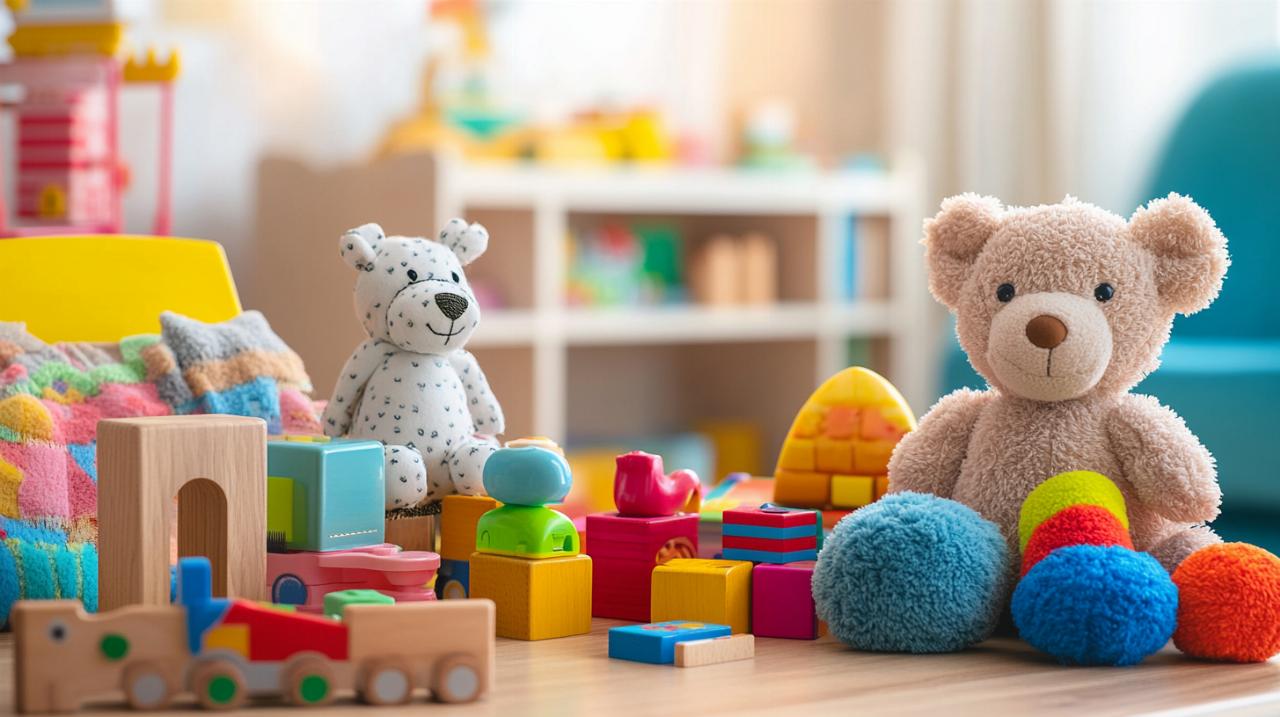
Hands-on examination before purchasing toys reveals potential hazards that photographs or descriptions might not convey. Begin by running fingers along all surfaces to detect sharp edges, points, or rough areas that could scratch or cut delicate skin. Attempt to twist, pull, and manipulate various components to assess whether parts might detach during normal play. Eyes on stuffed animals, wheels on vehicles, and buttons on fabric toys deserve particular attention as these elements frequently become loose over time. Small decorative elements such as ribbons, bows, or appliqués should be firmly attached rather than simply glued, as adhesives weaken with handling and washing. Hinges and moving parts should operate smoothly without pinching risks or exposed mechanisms that might trap fingers. Wooden toys merit inspection for splinters or rough patches that might not have received adequate sanding during manufacture. This tactile assessment provides information that visual inspection alone cannot deliver, making it an essential step in the selection process.
Assessing build quality and durability
Construction quality determines not only how long a toy lasts but also whether it remains safe throughout its usable life. Well-made toys feature solid construction with joints that remain secure rather than wobbling or separating under pressure. Plastic items should feel substantial rather than thin and brittle, as cheaper materials crack easily and create sharp fragments. Wooden toys benefit from quality timber free from knots or weak grain patterns that compromise strength. Paint and finishes should be integral to the material rather than superficial coatings that wear away quickly. Wheels, axles, and other moving parts should operate smoothly with secure attachment methods that prevent detachment. Some manufacturers offer warranties extending up to ten years on their products, reflecting confidence in construction quality and durability. Investing in well-built toys ultimately provides better value whilst reducing the likelihood of safety issues emerging as items age. Regular maintenance and inspection during use helps identify when toys have deteriorated beyond safe continued use and require retirement from active play.
Reading and understanding product information
Decoding safety warnings and instructions
Packaging and accompanying documentation contain crucial information that directly affects safe toy use. Warning labels highlight specific hazards such as small parts, long cords, or materials unsuitable for certain age groups. These notices reflect legal requirements rather than mere suggestions, as they identify risks that testing and analysis have revealed. Instructions provide essential guidance on proper assembly, which when followed correctly ensures structural integrity and safety features function as designed. Age recommendations appearing on packaging stem from safety considerations rather than assumptions about intelligence or developmental capabilities. Ignoring these guidelines places children at unnecessary risk, as younger users may lack the physical coordination or cognitive awareness needed to safely interact with particular toys. Supervision requirements mentioned in documentation indicate that manufacturers have identified scenarios where adult oversight prevents accidents. Maintenance instructions detail cleaning methods that preserve toy integrity whilst eliminating hygiene concerns, with some materials requiring specific care to avoid degradation.
Why manufacturer guidelines matter
The information provided by toy manufacturers represents accumulated knowledge from design, testing, and real-world use. Assembly instructions specify not only how pieces fit together but also critical safety elements such as weight limits for riding toys or proper positioning of safety harnesses. Battery installation directions highlight the importance of secure compartment closures that prevent child access to dangerous cells. Load capacity specifications for climbing equipment and furniture ensure that structures do not exceed their design limits and risk collapse. Cleaning recommendations preserve material integrity whilst eliminating bacteria and allergens that accumulate during play. Storage suggestions help maintain toy condition and prevent damage that might create hazards. Some manufacturers provide product registration systems that enable direct communication about recalls or safety updates affecting specific items. Warranty information details coverage periods and conditions, often reflecting manufacturer confidence in product quality. Disregarding these guidelines not only voids warranties but potentially compromises the safety features that designers incorporated into their products.
Where to buy children's toys
Choosing reputable retailers and brands
The source from which toys are purchased significantly influences their likelihood of meeting safety standards. Established retailers with physical locations maintain reputations that depend on customer trust and typically stock items from manufacturers with proven track records. These businesses face regulatory oversight and potential liability that encourages careful vetting of their inventory. Well-known toy brands invest substantial resources in safety testing and quality control because their market position depends on consumer confidence. Whilst purchasing from recognised companies generally provides greater assurance, independent verification of safety marks and construction quality remains advisable regardless of the seller's reputation. Some retailers offer generous return policies, including satisfaction guarantees extending up to 365 days, which demonstrates confidence in the products they stock. Specialty shops focusing exclusively on children's products often employ staff with expertise in developmental appropriateness and safety considerations who can provide valuable guidance during selection.
The Risks of Counterfeit and Unregulated Toys
Online marketplaces, discount shops, and informal vendors sometimes offer toys that bypass standard safety oversight. Counterfeit products bearing fake certification marks appear genuine at first glance but lack the testing and quality control that legitimate items undergo. These imitations often use inferior materials that break easily, contain toxic substances, or incorporate design flaws that create hazards. Carnival prizes and promotional toys distributed at events may not meet the same standards applied to retail merchandise. Second-hand toys require careful examination as they may date from periods when regulations were less stringent or may have sustained damage that compromises safety. Extremely low prices should prompt suspicion rather than enthusiasm, as quality manufacturing and safety testing involve costs that reputable companies cannot avoid. Purchases from unfamiliar online sellers demand extra scrutiny of product descriptions, customer reviews, and seller credentials. When uncertainty exists about a toy's authenticity or safety, exercising caution and selecting an alternative from a verified source protects children from preventable risks.
Ongoing toy maintenance and safety
Regular inspections during playtime
The responsibility for toy safety extends beyond the initial purchase into ongoing monitoring throughout the item's usable life. Regular examination helps identify wear patterns that might create new hazards as materials degrade and components loosen. Supervising younger children during play provides opportunities to observe how toys withstand actual use and whether unexpected risks emerge. Washing fabric toys at appropriate intervals maintains hygiene whilst allowing inspection of seams and attachments that might have weakened. Checking battery-operated items ensures that compartments remain secure and that corrosion has not compromised safety features. Wooden toys require assessment for splinters or cracks that develop as moisture content changes with environmental conditions. Plastic components may become brittle over time, particularly when exposed to sunlight or extreme temperatures that accelerate material degradation. Teaching children to store toys properly after play sessions reduces unnecessary stress on components and helps maintain structural integrity. Some families limit the number of toys in active rotation to approximately ten items, which simplifies supervision whilst potentially enhancing focus during play.
When to Dispose of Damaged or Worn Toys
Recognising when a toy has reached the end of its safe usable life prevents injuries from deteriorated or broken items. Immediate disposal becomes necessary when small parts detach and create choking hazards or when sharp edges emerge from cracks or breaks. Fabric toys that develop tears exposing filling material require retirement, as loose stuffing presents ingestion risks. Electronic toys with damaged battery compartments that no longer secure properly must be discarded rather than repaired, given the extreme dangers associated with battery access. Painted surfaces that begin flaking or peeling warrant removal from play areas, particularly on older items that might contain lead-based pigments. Riding toys that develop structural instability or loose wheels pose fall risks that outweigh their remaining entertainment value. Excessive wear that causes strings or cords to fray creates entanglement hazards requiring prompt action. Rather than attempting repairs that might not restore safety features to original specifications, replacing compromised toys ensures continued protection. Reporting dangerous products to appropriate authorities helps protect other children who might encounter the same items, with mechanisms existing for consumers to share safety concerns with regulatory bodies.