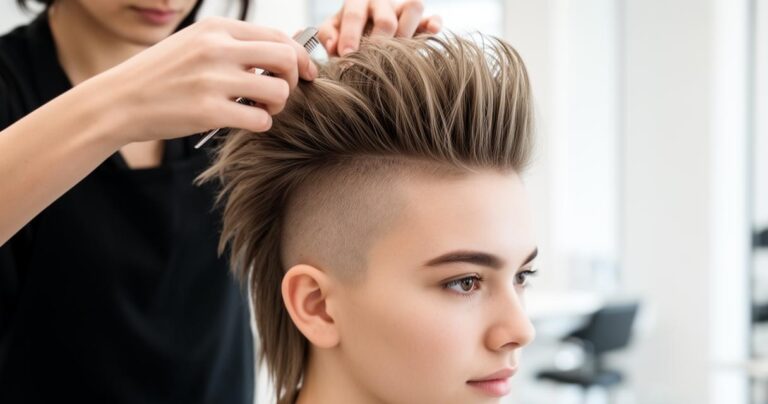
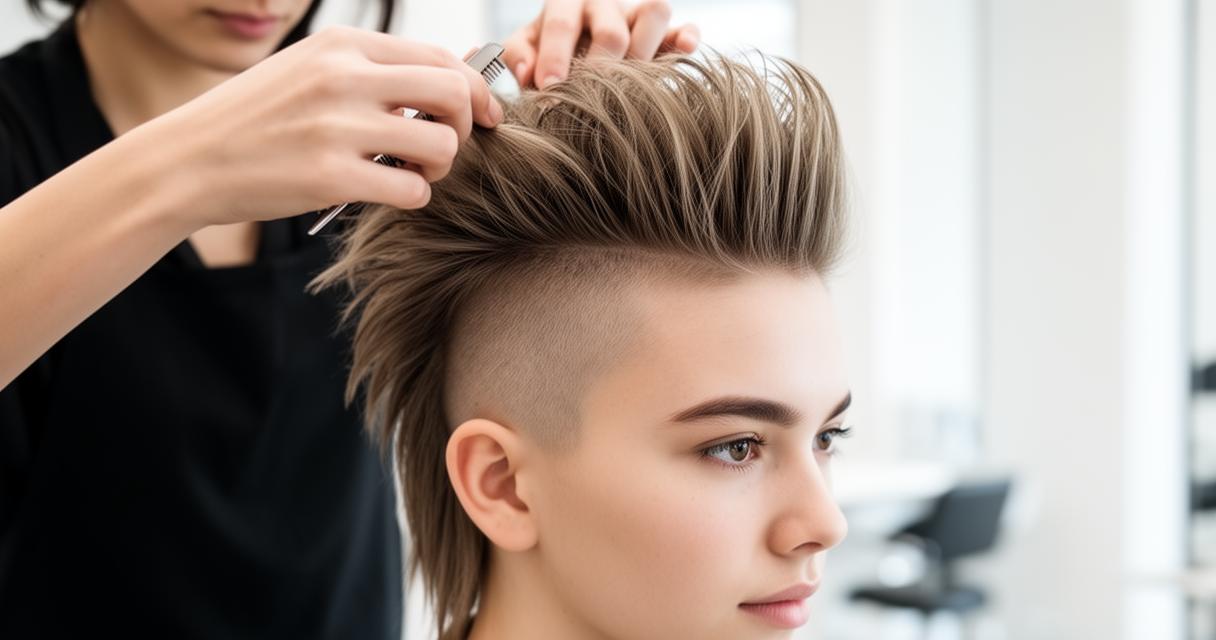
The mohawk haircut has long been a symbol of bold self-expression, bridging centuries of cultural significance with contemporary fashion. From its indigenous origins to its reinvention by punk rockers in the late twentieth century, this striking style continues to captivate those seeking to stand out with confidence. Whether you are drawn to its rebellious edge or simply admire its clean lines and versatility, learning how to achieve and adapt the mohawk throughout the changing seasons can empower you to embrace this iconic look with ease and creativity.
Mastering the Mohawk Cut: Essential Techniques and Tools
Achieving a sharp mohawk at home requires the right equipment and a clear understanding of the cutting process. The foundation of any successful mohawk lies in the precision of your clippers and the attachments you select. Investing in a quality set of hair clippers with adjustable guards is essential, as these tools allow you to control the length of the sides while leaving the central strip of hair intact. For a classic mohawk, you will typically want to use a shorter guard on the sides, often ranging from a number one to a number three, depending on how dramatic you wish the contrast to be. The central strip should be left longer, and the width can vary according to personal preference, though a strip between three and five centimetres is common.
Selecting the Right Clippers and Attachments for Your Mohawk
Choosing the appropriate clippers can make all the difference when crafting your mohawk. Look for models that offer multiple guard lengths and a powerful motor, as these features ensure a smooth and even cut across different hair types. Cordless clippers provide greater flexibility and ease of movement, allowing you to manoeuvre around the head without the constraint of a cable. Additionally, consider clippers with a taper lever, which enables you to adjust the blade position for finer detailing along the edges. This feature is particularly useful when blending the shaved sides into the longer central section, creating a seamless transition that enhances the overall aesthetic of the mohawk.
Step-by-Step Guide to Achieving a Sharp Mohawk Cut at Home
Begin by washing and drying your hair thoroughly, as clean hair is easier to cut and style. Section off the central strip by combing the hair upwards and marking the desired width with a comb or clip. This visual guide will help you maintain consistency as you work. Starting at the base of one side, use your clippers with the chosen guard attachment to shave upwards against the direction of hair growth. Move steadily and evenly, ensuring that you cover the entire side from the nape of the neck to the temple. Repeat this process on the opposite side, taking care to match the length and line of the first side. Once both sides are trimmed, you can refine the edges and blend any harsh lines using a shorter guard or the taper lever. Finally, comb through the central strip and trim any uneven ends with scissors to achieve a polished finish.
Styling your mohawk: modern variations and seasonal adaptations
The mohawk is far from a one-size-fits-all hairstyle. Its adaptability allows you to experiment with a range of modern variations that suit different personalities and occasions. Blending the mohawk with contemporary techniques such as undercuts and fades can elevate the look, adding depth and sophistication. During warmer months, you might prefer a shorter, more manageable mohawk that keeps you cool, while in cooler seasons, allowing the central strip to grow longer offers additional styling possibilities and warmth. Embracing these seasonal shifts not only keeps your appearance fresh but also demonstrates your willingness to evolve with the times.
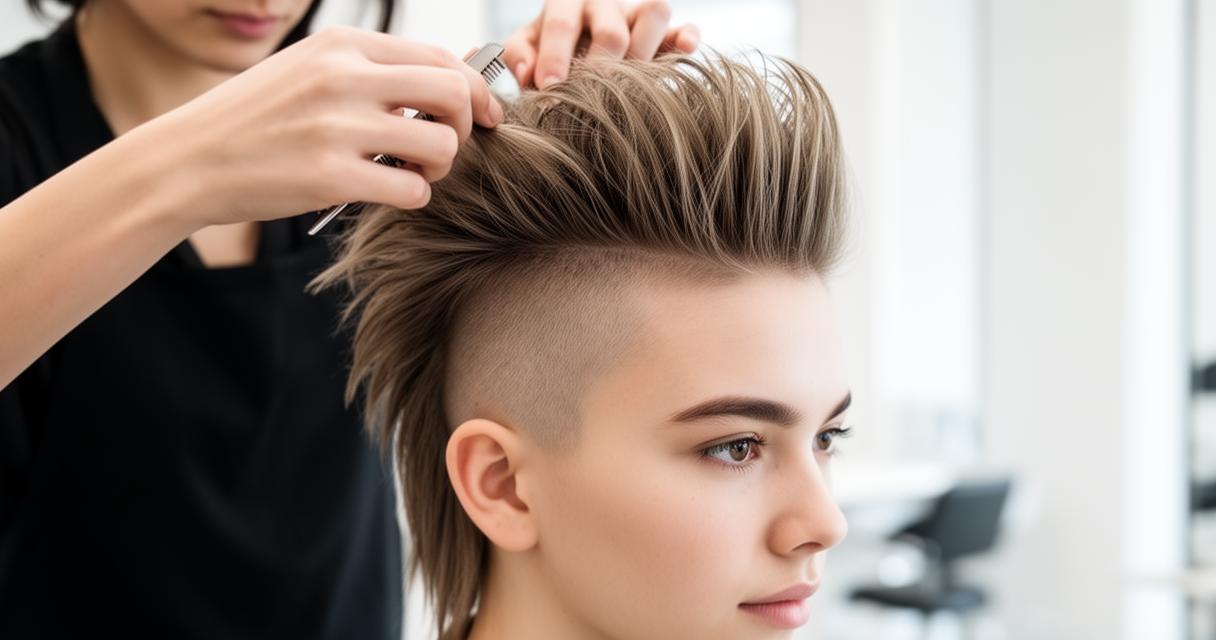
Blending Mohawks with Undercuts and Fades for Contemporary Flair
Combining a mohawk with an undercut or fade introduces a refined edge that appeals to those who appreciate both boldness and subtlety. An undercut involves shaving the sides and back very short or even down to the skin, creating a stark contrast with the longer central strip. This variation is particularly popular among younger men and those in creative fields, as it exudes a modern, urban aesthetic. A fade, on the other hand, gradually transitions the hair from longer to shorter, blending seamlessly from the central strip down to the skin. This technique requires a steady hand and a good eye for detail, as the fade must be smooth and even to avoid an uneven appearance. Both approaches can be adapted to suit your personal style, whether you prefer a high fade that starts near the top of the head or a low fade that begins closer to the ears.
Creative mohawk styles: incorporating curls, texture, and top knots
For those with naturally curly or textured hair, the mohawk offers a unique opportunity to celebrate your hair's natural character. Rather than straightening or taming your curls, embrace them by allowing the central strip to showcase its volume and movement. This approach creates a dynamic, eye-catching look that is both playful and stylish. If your hair is long enough, consider pulling the central strip back into a bun or top knot, which not only adds versatility to your style but also keeps your hair out of your face during active days or warm weather. This hybrid look merges the edginess of the mohawk with the practicality of a bun, making it an excellent choice for those who lead busy, active lifestyles. Experimenting with different textures, such as adding waves or spikes, further personalises your mohawk and allows you to express your individuality throughout the year.
Completing your mohawk look: grooming, fashion, and cultural heritage
A well-executed mohawk extends beyond the haircut itself, encompassing your overall grooming and fashion choices. The way you present yourself, from your facial hair to your wardrobe, can either enhance or detract from the impact of your mohawk. Understanding the cultural heritage of this iconic style also deepens your appreciation for its significance, connecting you to a rich history that spans continents and generations. By thoughtfully integrating these elements, you create a cohesive and authentic personal style that honours both tradition and modernity.
Pairing Your Mohawk with Complementary Beard Styles and Wardrobe Choices
Facial hair can play a pivotal role in balancing the boldness of a mohawk. A well-groomed beard or stubble adds maturity and structure to your face, complementing the sharp lines of the mohawk. For those who prefer a cleaner look, a neatly trimmed goatee or a light stubble can provide just enough contrast without overwhelming the hairstyle. When it comes to fashion, consider clothing that reflects the edgy spirit of the mohawk while remaining appropriate for your daily activities. Leather jackets, slim-fit jeans, and graphic tees are classic choices that echo the rebellious roots of the style, while tailored pieces in neutral tones can ground the look for more formal settings. Accessories such as studded belts, bold watches, or minimalist jewellery further enhance your ensemble, allowing you to express your personality with confidence and flair.
The mohawk through history: from indigenous roots to punk revolution
The mohawk hairstyle carries a profound cultural legacy that predates its modern associations with punk rock and counterculture movements. Historically, indigenous peoples of North America, particularly the Mohawk Nation, wore similar styles as symbols of identity, bravery, and tribal affiliation. These traditional forms of the mohawk were deeply rooted in cultural practices and spiritual beliefs, representing far more than mere aesthetics. In the late twentieth century, the punk movement adopted and reinterpreted the mohawk as an emblem of rebellion and nonconformity, stripping it of its original context while imbuing it with new meaning. This evolution highlights the hairstyle's remarkable ability to adapt and resonate across different eras and communities. Recognising this rich history encourages a respectful and thoughtful approach to wearing the mohawk, acknowledging both its origins and its ongoing journey as a symbol of individuality and self-expression.