
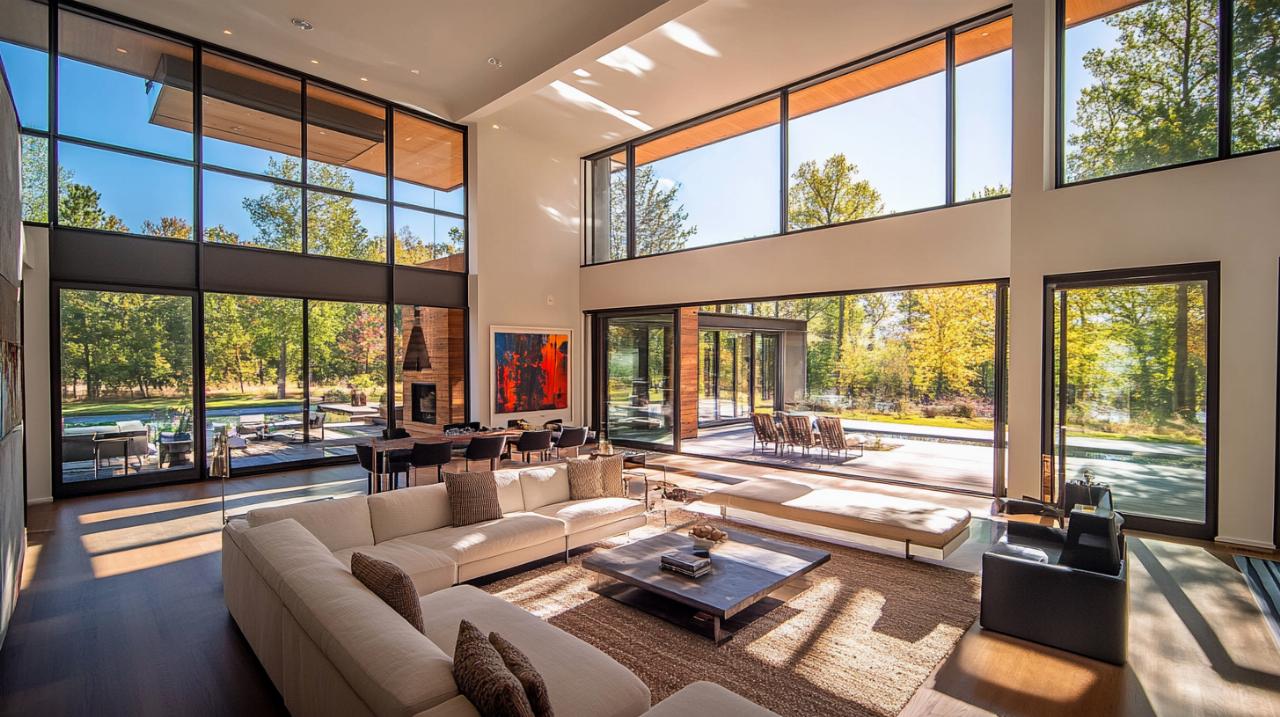
The British property landscape is experiencing a remarkable transformation, driven by cutting-edge design philosophies and groundbreaking technological advancements. From reimagined living spaces that blur the boundaries between indoors and outdoors to sophisticated digital tools revolutionising how transactions unfold, the real estate sector is evolving at an unprecedented pace. These shifts reflect broader societal changes, including heightened environmental awareness, the integration of artificial intelligence into everyday decision-making, and a growing appetite among buyers for homes that seamlessly blend aesthetic appeal with functional innovation. As we delve into these developments, it becomes clear that the future of housing is not merely about bricks and mortar but about creating spaces and systems that resonate with contemporary values and aspirations.
Contemporary architectural designs reshaping british housing
Modern architectural trends are redefining what it means to live comfortably and stylishly in the United Kingdom. Homeowners and developers alike are embracing bold new concepts that prioritise simplicity, natural light, and a harmonious relationship with the environment. These design philosophies are not passing fads but rather thoughtful responses to the way people wish to inhabit their homes in an era marked by remote work, environmental consciousness, and a desire for spaces that nurture well-being. The emphasis on quality over quantity, on clean lines over clutter, and on sustainable materials over short-term solutions is reshaping the very fabric of British housing. For those keen to understand these shifts in greater depth, one might visit maguilar's website, which offers insights into evolving property trends and market intelligence. Such resources illuminate how design choices intersect with broader market dynamics, helping buyers and investors make informed decisions.
Minimalist and open-plan living spaces
Minimalism has moved from a niche aesthetic preference to a mainstream design principle embraced across the housing market. The appeal lies in its ability to create serene, uncluttered environments that foster clarity of thought and ease of movement. Open-plan layouts, which remove traditional barriers between kitchens, dining areas, and lounges, have become synonymous with modern living. These configurations allow natural light to flow freely throughout the home, reducing the need for artificial illumination and creating a sense of spaciousness even in properties with modest floor areas. The removal of unnecessary walls and partitions also facilitates social interaction, making it easier for families and guests to connect. Beyond aesthetics, minimalist design encourages homeowners to be more intentional about their possessions, which can lead to reduced consumption and a smaller environmental footprint. In the context of the UK housing market, where space is often at a premium, the ability to maximise the perceived size and functionality of a home through thoughtful design is invaluable. Real estate companies and property developers are increasingly incorporating these principles into new builds and renovations, recognising that buyers are seeking homes that reflect a more streamlined, purposeful way of life.
Biophilic design elements bringing nature indoors
Biophilic design, which centres on the integration of natural elements into built environments, is gaining traction as homeowners seek to reconnect with the outdoors without leaving the comfort of their properties. This approach goes beyond simply placing a few potted plants on a windowsill. It encompasses the strategic use of natural materials such as timber and stone, the incorporation of water features, and the maximisation of views onto gardens or green spaces. Large windows, skylights, and glazed doors are employed to blur the boundaries between interior and exterior, allowing residents to experience changing weather patterns and seasonal shifts from within their homes. Research has shown that exposure to natural elements can reduce stress, improve mood, and enhance overall well-being, making biophilic design not just an aesthetic choice but a health-conscious one. In urban areas such as London, where access to green spaces may be limited, biophilic design offers a practical solution for bringing a sense of nature into densely populated environments. Developers and architects are increasingly aware that properties featuring these elements can command higher valuations and attract discerning buyers who prioritise quality of life. The integration of biophilic principles also aligns with broader sustainability goals, as it often involves the use of eco-friendly materials and energy-efficient construction techniques. This holistic approach to design is transforming how we think about residential spaces, positioning them as sanctuaries that nurture both physical and mental health.
Revolutionary technology transforming property transactions
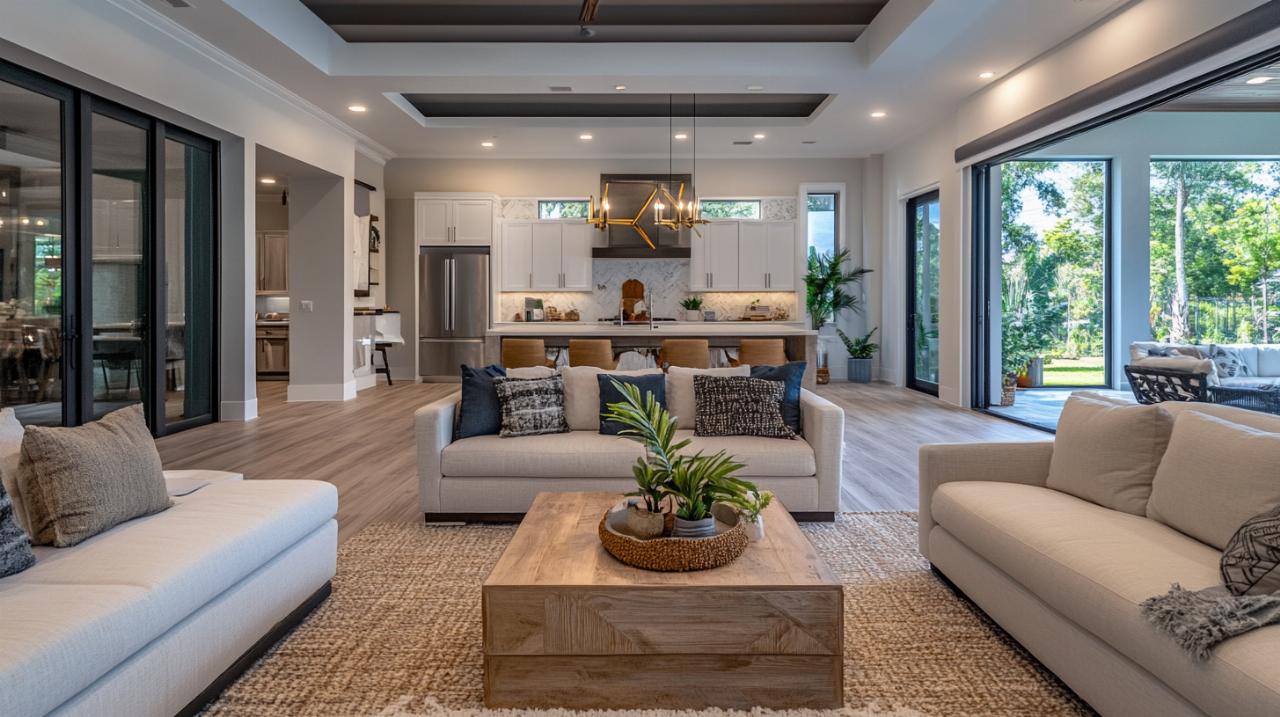
Technological innovation is reshaping every facet of the real estate industry, from the initial stages of property valuation through to the final completion of a sale. Digital platforms and advanced data analytics are making the market more transparent and accessible, while emerging technologies such as blockchain and artificial intelligence are addressing long-standing inefficiencies in conveyancing and property assessment. For buyers, sellers, and investors, these tools offer unprecedented levels of insight and convenience, reducing the time and complexity traditionally associated with property transactions. Virtual tours have become a standard offering, enabling prospective purchasers to explore homes remotely and make more informed decisions before committing to in-person viewings. Smart home technology, which was once regarded as a luxury, is now a key selling point, with buyers actively seeking properties equipped with integrated systems that enhance security, energy efficiency, and overall comfort. The integration of these technologies into the fabric of the real estate sector is not merely enhancing existing processes but fundamentally reimagining what is possible. As the UK housing market continues to adapt to post-Brexit realities and the lingering effects of the COVID-19 pandemic, the role of technology in driving recovery and growth cannot be overstated.
Blockchain Applications in Conveyancing and Ownership
Blockchain technology, best known for its role in cryptocurrency, is beginning to make significant inroads into property transactions, offering a secure and transparent method for recording ownership and executing contracts. Traditional conveyancing processes can be slow, paper-intensive, and vulnerable to fraud, but blockchain offers a digital ledger that is immutable and accessible to all authorised parties. This technology enables the creation of smart contracts, which are self-executing agreements that automatically enforce the terms of a transaction once predefined conditions are met. In practical terms, this could mean that funds are transferred and ownership is recorded simultaneously, eliminating the delays and uncertainties that often plague property sales. For buyers and sellers, the advantages are clear: reduced transaction times, lower legal fees, and greater confidence in the integrity of the process. Real estate companies and legal professionals are exploring how blockchain can be integrated into existing systems, with pilot projects already underway in various jurisdictions. While widespread adoption in the UK remains on the horizon, the potential benefits are substantial, particularly for high-value transactions and commercial property deals where complexity and risk are heightened. The transparency afforded by blockchain also has implications for regulatory compliance, as every transaction is recorded in a tamper-proof format that can be audited by relevant authorities. As the technology matures and regulatory frameworks evolve, blockchain is poised to become a cornerstone of modern property transactions, offering a level of security and efficiency that was previously unattainable.
Artificial intelligence streamlining property valuations
Artificial intelligence is revolutionising property valuation by harnessing vast datasets and sophisticated algorithms to deliver faster, more accurate assessments than traditional methods. Automated valuation models, or AVMs, analyse a multitude of factors including recent sales of comparable properties, market trends, location data, and even granular details such as proximity to amenities and transport links. This data-driven approach reduces the subjectivity inherent in manual valuations and provides a more consistent benchmark for property prices. For mortgage lenders, insurers, and investors, AI-powered valuations offer a reliable tool for risk assessment and portfolio monitoring, enabling more informed decision-making. Buyers and sellers also benefit, as they can access instant valuations online, helping them to set realistic expectations and negotiate more effectively. The integration of machine learning means that these models continually improve over time, refining their predictions as new data becomes available. In the context of the UK housing market, where property comparables and housing market intelligence are critical for understanding value, AI represents a significant leap forward. Companies offering digital valuer services and climate risk assessments are incorporating AI to provide enhanced risk analysis and revaluation services, addressing both traditional concerns and emerging challenges such as climate change impacts on property values. The ability to process and interpret property risk data at scale is transforming how the sector operates, making it more agile and responsive to shifting market conditions. As AI technology becomes more sophisticated and widely adopted, it is likely to become an indispensable component of the real estate ecosystem, supporting everyone from individual homebuyers to large institutional investors.