Dealing with bleeding haemorrhoids can be both distressing and uncomfortable, yet understanding the condition and knowing the effective approaches to manage it can bring significant relief. Whether the discomfort arises from swollen blood vessels around the rectum or anus, recognising the symptoms early and exploring a range of treatment options is essential. This article outlines seven practical methods to treat bleeding haemorrhoids and offers preventive measures to help stop them from recurring, ensuring a healthier and more comfortable daily life.
Understanding bleeding haemorrhoids and their common causes
What are bleeding haemorrhoids and why do they occur?
Haemorrhoids, often referred to as piles, are swollen blood vessels that develop around the rectum and anus. These lumps can vary in size, sometimes resembling small pea-sized bumps or larger grape-sized formations. They can be classified as internal, which form inside the rectum, or external, which appear on the anus itself. The exact cause of haemorrhoids remains somewhat unclear, but several factors are known to contribute to their development. Constipation is a significant factor, as straining during bowel movements puts extra pressure on the blood vessels in the rectal area. Heavy lifting, pregnancy, the natural ageing process, and being overweight also increase the likelihood of developing haemorrhoids. When these swollen blood vessels become irritated or damaged, bleeding can occur, often noticed as bright red blood on toilet paper or in the toilet bowl after a bowel movement.
Recognising the Symptoms and When to Seek Medical Advice
The symptoms of bleeding haemorrhoids can range from mild to severe, and recognising them early is crucial for effective management. Common signs include bright red blood after passing stools, an itchy sensation around the anus, a persistent feeling of incomplete bowel emptying, and the presence of mucus on toilet paper or in underwear. Some individuals may also notice lumps around the anus or experience pain, particularly during bowel movements. While haemorrhoids often resolve on their own within a few days, persistent or worsening symptoms warrant professional consultation. A visit to a GP is advisable if haemorrhoids recur frequently, if symptoms do not improve with self-care measures, or if there are unusual changes such as continuous bleeding or the passage of large blood clots. In cases where there is a high fever, painless bleeding, or pus discharge from the piles, urgent care or a visit to the accident and emergency department may be necessary. Seeking advice from a pharmacist can also be beneficial, as they can recommend suitable creams, laxatives, and cold packs to ease discomfort.
Seven effective treatment methods for bleeding haemorrhoids
Medical treatments and surgical options available
When self-help measures do not provide sufficient relief, a range of medical treatments and surgical options are available to address bleeding haemorrhoids. For many patients, minimally invasive procedures offer effective solutions without the need for major surgery. Rubber band ligation is one such procedure, where a small rubber band is placed around the base of the haemorrhoid to cut off its blood supply, causing it to shrink and fall off. Sclerotherapy involves injecting a chemical solution into the haemorrhoid, which causes it to shrink. Electrotherapy and infrared coagulation use heat to reduce the blood flow to the haemorrhoid, promoting healing. These non-surgical treatments are typically performed at hospitals and can provide significant relief for those with persistent symptoms. In more severe cases, surgical intervention may be required. Haemorrhoidectomy is a procedure that involves the surgical removal of haemorrhoids and is often recommended for large or particularly painful piles. Stapled haemorrhoidopexy is another surgical option that involves repositioning the haemorrhoids and cutting off their blood supply, while haemorrhoidal artery ligation uses stitches to reduce blood flow to the swollen vessels. Patients considering these treatments should consult with a healthcare professional to determine the most appropriate option based on the severity of their condition. King Edward VII's Hospital offers a range of specialties including colorectal surgery, gastroenterology, and general surgery, providing comprehensive care for those requiring advanced treatment. Patients can access these services as privately insured or self-pay patients, with flexible payment plans available to suit individual needs.
Natural remedies and lifestyle changes that help
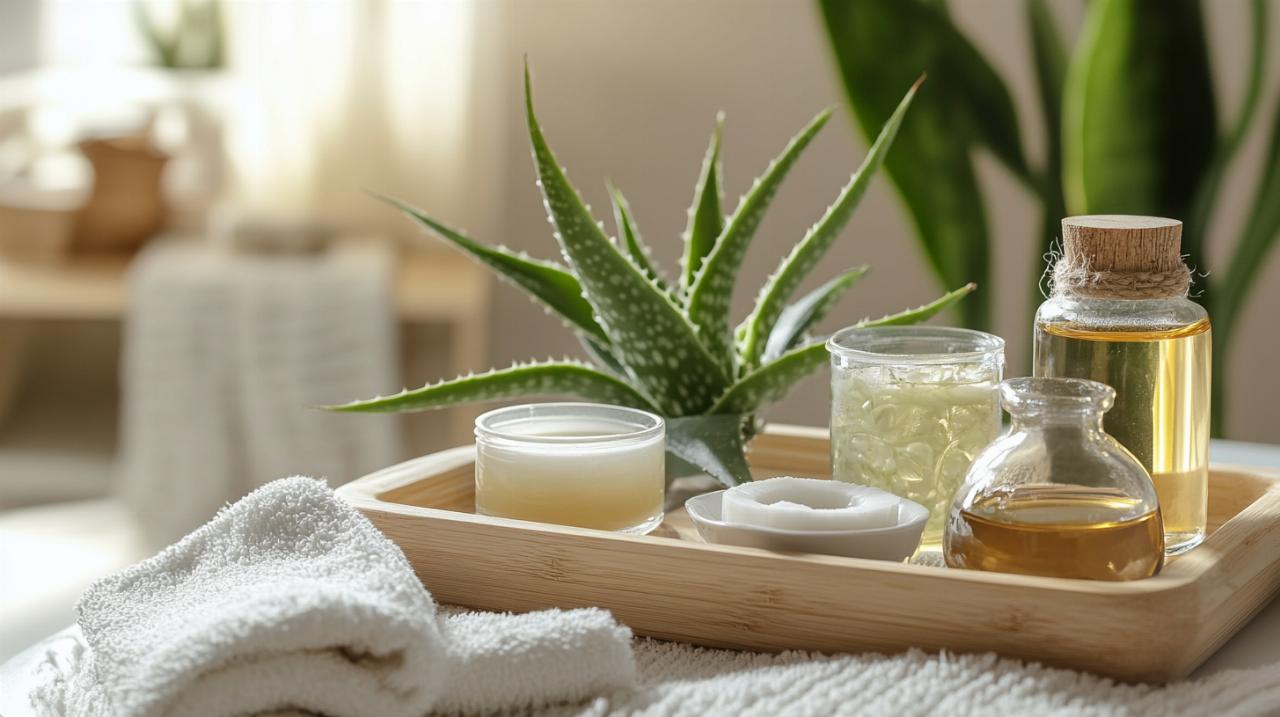
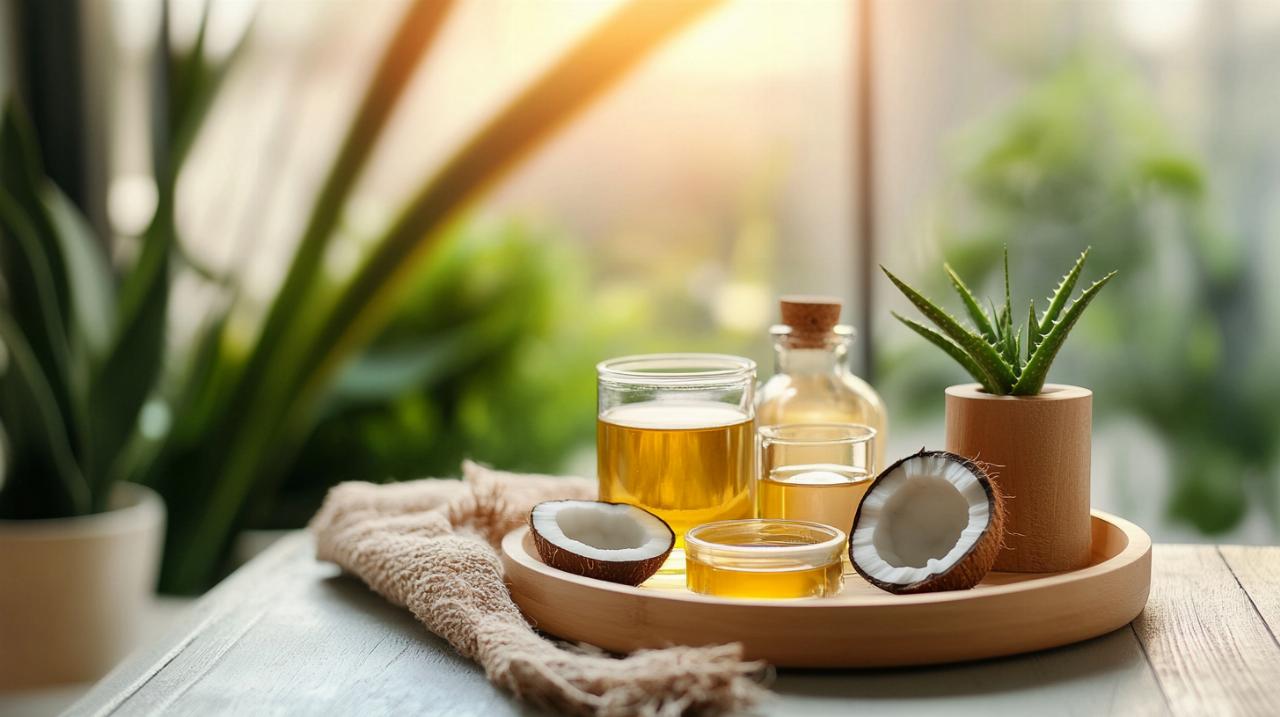
Alongside medical treatments, natural remedies and lifestyle changes play a crucial role in managing bleeding haemorrhoids. Over-the-counter treatments such as creams containing witch hazel can help soothe irritation and reduce inflammation. Applying aloe vera gel to the affected area offers a cooling effect and promotes healing. Warm tea bags and coconut oil are also suggested as alternative remedies that can provide comfort and support the skin's recovery. Taking sitz baths in warm water for ten to fifteen minutes, two to three times daily, is a simple yet effective way to ease pain and reduce swelling. Pain relief can be achieved with paracetamol, although it is advisable to avoid ibuprofen if bleeding is present, as it may exacerbate the issue. Increasing fibre intake to twenty to thirty grams a day is highly beneficial, as it helps soften stools and reduces the need to strain during bowel movements. Consider incorporating fibre supplements such as psyllium husk if dietary adjustments alone are insufficient. Drinking plenty of water throughout the day ensures proper hydration and supports healthy digestion. Additionally, using mineral oil mixed with applesauce or yoghurt can ease the passage of stools, making bowel movements less painful. Elevating the feet on a step stool while sitting on the toilet can also facilitate easier stool passage by aligning the rectum in a more natural position. Gentle cleaning of the anal area and ensuring it is kept clean and dry are important hygienic measures that help prevent further irritation.
Preventive Measures to Stop Haemorrhoids from Recurring
Dietary Adjustments and Hydration for Long-term Prevention
Preventing the recurrence of haemorrhoids largely depends on making sustainable dietary adjustments and maintaining adequate hydration. A high-fibre diet is fundamental, as it promotes regular bowel movements and reduces the likelihood of constipation. Foods rich in fibre include whole grains, fruits, vegetables, legumes, and nuts. Incorporating flavonoid-rich foods such as berries, citrus fruits, and leafy greens can also support vascular health and reduce inflammation. Mindful eating practices, such as chewing food thoroughly and eating at a moderate pace, aid digestion and help prevent digestive discomfort. Staying well-hydrated by drinking plenty of water throughout the day is equally important, as it softens stools and makes them easier to pass. Limiting the intake of alcohol and caffeine is advisable, as both can contribute to dehydration and exacerbate constipation. Avoiding prolonged periods of sitting, especially on the toilet, is another preventive measure that reduces pressure on the rectal veins. By adopting these dietary and hydration habits, individuals can significantly reduce the risk of haemorrhoids returning and support overall digestive health.
Daily Habits and Exercises to Reduce Future Risk
In addition to dietary changes, cultivating daily habits and incorporating regular exercise can greatly diminish the risk of haemorrhoid recurrence. It is essential not to ignore the urge to pass stools, as delaying bowel movements can worsen constipation and increase straining. Taking the time to respond promptly to the body's signals helps maintain regular bowel function. Engaging in regular physical activity, such as walking, swimming, or cycling, promotes healthy circulation and supports digestive regularity. Exercise also aids in maintaining a healthy weight, which is important as being overweight can increase pressure on the pelvic and rectal veins. Avoiding heavy lifting or, if unavoidable, using proper lifting techniques can prevent unnecessary strain on the body. When lifting is necessary, bending at the knees and keeping the back straight helps distribute weight more evenly and reduces stress on the lower body. Practicing good posture and taking breaks during prolonged sitting can also alleviate pressure on the rectal area. Gently pushing any prolapsed haemorrhoids back inside can prevent further irritation and discomfort. By integrating these daily habits and exercises into a routine, individuals can create a supportive environment for long-term prevention and enjoy improved overall well-being. Consulting a healthcare professional, such as a GP or pharmacist, for personalised advice ensures that preventive strategies are tailored to individual needs and circumstances, offering the best chance for lasting relief and health.