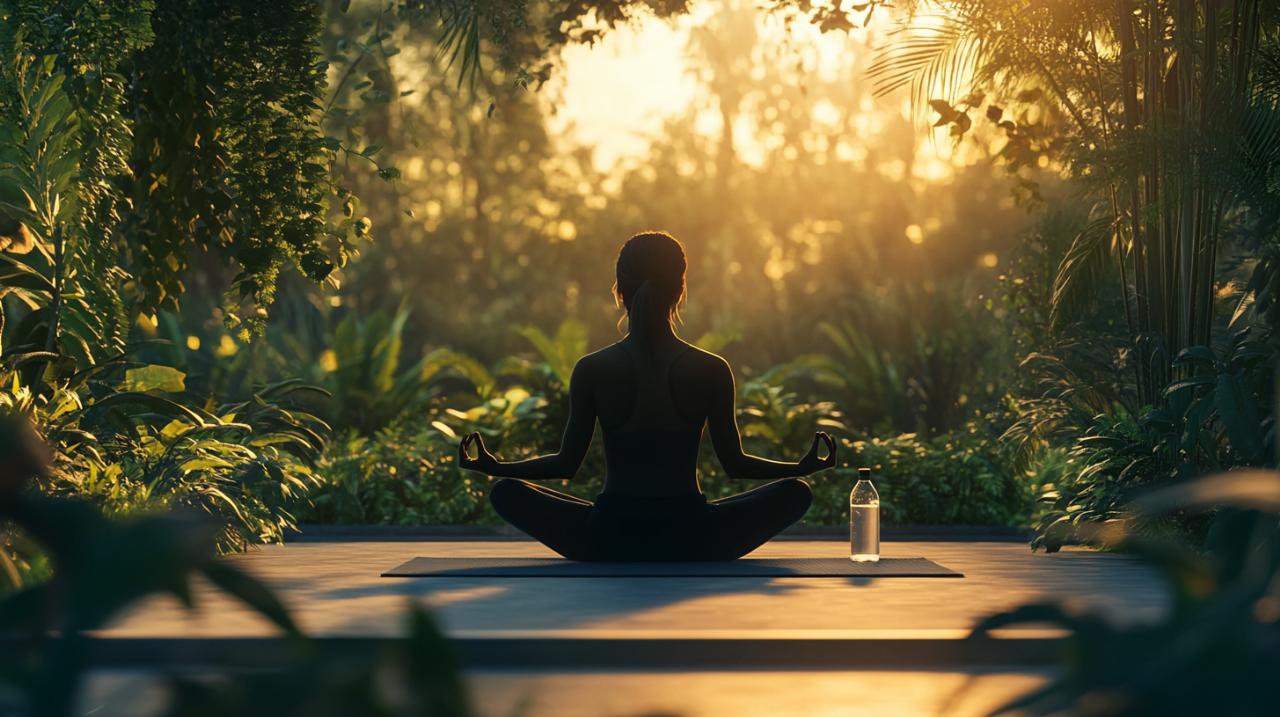
In an age where the demands of modern life seem to pull us in a thousand different directions, finding moments of genuine calm can feel like searching for a needle in a haystack. Yet, the ancient practices of yoga and meditation offer a sanctuary for those seeking refuge from the relentless pace of daily existence. Combining these disciplines through guided sessions creates a powerful tool for stress relief, allowing individuals to reconnect with their inner selves whilst nurturing both physical and mental wellbeing. Whether you're a seasoned practitioner or someone just beginning to explore the world of mindfulness, understanding the techniques and benefits of these practices can transform your approach to managing life's pressures.
Essential breathing techniques to deepen your practice
At the heart of any successful guided yoga meditation lies the breath. It serves as the bridge between the conscious and unconscious mind, anchoring us in the present moment and facilitating a deeper connection to our bodies. Without proper attention to breathing, even the most well-intentioned session can feel scattered or incomplete. The rhythm and quality of each inhalation and exhalation shape the entire experience, influencing not only how we feel during practice but also the lasting effects we carry into our daily lives.
Understanding pranayama for mind-body connection
Pranayama, the yogic art of breath control, forms the foundation of an effective meditation practice. This ancient discipline teaches us that breath is far more than a simple bodily function; it is a vital force that can be harnessed to influence our mental and emotional states. By learning to regulate the breath, practitioners cultivate a heightened awareness of the subtle energies flowing through the body. This awareness, in turn, creates a fertile ground for deeper meditation and relaxation. The beauty of pranayama lies in its accessibility. Unlike complex physical postures that might require years of training, breathing techniques can be practised by anyone, regardless of age or fitness level. Through slow, deliberate breaths, the nervous system begins to shift from a state of alertness to one of rest, allowing tension to melt away and the mind to settle into a place of quiet observation.
Rhythmic breathing patterns for enhanced relaxation
Once the basic principles of breath control are understood, practitioners can explore various rhythmic patterns to enhance their relaxation response. Techniques such as alternate nostril breathing or extended exhalations help to calm the stress response that modern life so often triggers. When the body perceives danger or pressure, it releases hormones that increase heart rate, quicken breathing, and tense muscles. By consciously slowing and deepening the breath, we send a powerful signal to the body that it is safe to relax. This creates what experts describe as the relaxation response, a state that counteracts the physical and mental toll of chronic stress. Incorporating these breathing exercises into a guided meditation session amplifies their effectiveness, as the voice of an instructor can help maintain focus and rhythm, preventing the mind from wandering into distracting thoughts.
Physical and Mental Health Benefits of Regular Sessions
Committing to a regular practice of guided yoga meditation yields benefits that extend far beyond the duration of each session. Over time, these practices reshape how we respond to challenges, improve our overall health, and foster a sense of resilience that permeates every aspect of life. The cumulative effect of consistent practice is where the true magic lies, transforming not just isolated moments but the very fabric of our daily existence.
How guided practice supports stress reduction
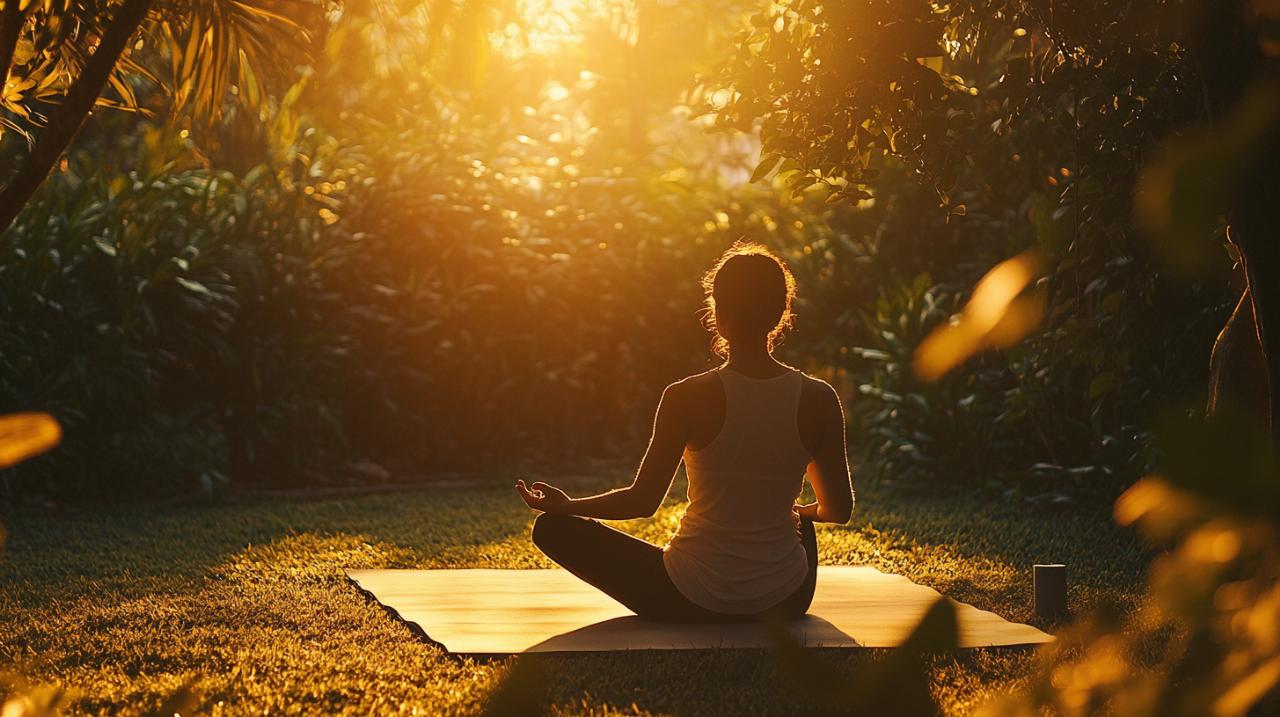
Stress management stands as one of the most compelling reasons people turn to guided meditation. The structured nature of a guided session provides a clear pathway through the often chaotic landscape of the mind. By following the instructions of a skilled guide, practitioners can bypass the common pitfalls of solo meditation, such as frustration or an inability to quiet racing thoughts. Techniques like body scan meditation invite individuals to focus attention on different parts of the body, systematically releasing tension and promoting physical relaxation. Similarly, guided imagery allows the mind to visualise calming scenes or experiences, creating a mental escape that soothes the nervous system. These methods work in tandem to address both the physical manifestations of stress, such as tight shoulders or a clenched jaw, and the mental patterns that perpetuate anxiety and overwhelm. Regular engagement with these practices trains the body to activate the relaxation response more readily, making it easier to access calm even in the midst of challenging circumstances.
Building resilience through consistent mind training
Beyond immediate stress relief, guided yoga meditation cultivates mental resilience over time. Mindfulness meditation, which emphasises present moment awareness, teaches practitioners to observe their thoughts and emotions without judgement. This skill proves invaluable when navigating difficult situations, as it creates space between stimulus and response. Rather than reacting impulsively to stressors, individuals learn to pause, assess, and choose their actions with greater intentionality. The mental health benefits of this kind of mind training are well documented, with research suggesting that regular practice can reduce symptoms of anxiety, improve mood, and enhance overall emotional regulation. Physical health also improves as the stress response is kept in check, leading to better sleep, reduced inflammation, and a strengthened immune system. Practices such as Tai Chi and Qigong, which combine rhythmic breathing with gentle movements, offer additional benefits by integrating body awareness with meditative focus. These holistic approaches honour the interconnectedness of mind and body, recognising that true wellbeing arises when both are nurtured together.
Exploring yoga nidra and modern online resources
As the popularity of guided meditation grows, so too do the resources available to those seeking to deepen their practice. From ancient techniques like Yoga Nidra to the wealth of digital platforms offering daily guidance, there has never been a better time to explore the transformative potential of these practices. Understanding the options available ensures that everyone, regardless of schedule or location, can find a method that resonates with their unique needs and preferences.
Getting started with yogic sleep techniques
Yoga Nidra, often referred to as yogic sleep, offers a deeply restorative experience that guides practitioners into a state of consciousness between waking and sleeping. Unlike traditional meditation, which typically requires a seated posture and sustained focus, Yoga Nidra is practised lying down and invites complete physical relaxation. The instructor leads participants through a systematic process of body awareness, breath regulation, and visualisation, allowing the mind to enter a profoundly restful state. This practice is particularly beneficial for those who struggle with insomnia or chronic fatigue, as it promotes deep rest without the need for actual sleep. Additionally, Yoga Nidra can be a powerful tool for accessing the subconscious mind, making it easier to release deeply held tension or emotional patterns. Sessions can range from as short as ten minutes to over an hour, making it a flexible option for those with varying schedules. The key to success with Yoga Nidra lies in consistency. Experts recommend practising for at least twenty minutes a day, though even a few minutes can yield noticeable benefits for stress reduction and mental clarity.
Leveraging Instagram and Digital Platforms for Daily Guidance
In today's interconnected world, finding quality guidance for your meditation practice is easier than ever. Social media platforms like Instagram have become vibrant communities where experienced instructors share tips, techniques, and short guided sessions that fit seamlessly into busy lifestyles. These platforms democratise access to knowledge that was once confined to yoga studios or expensive retreats, making it possible for anyone with an internet connection to benefit from expert instruction. Online classes offer additional flexibility, allowing practitioners to explore a variety of styles and teachers until they find the approach that resonates most deeply. Whether you're drawn to chakra-focused meditations, sound baths, or loving-kindness practices, the digital landscape provides a wealth of options. Some platforms even offer sessions tailored to specific needs, such as relationship healing, forgiveness, or enhanced body awareness. The convenience of these resources means that there are no excuses for skipping practice. A quick search can yield guided meditations ranging from three to twenty-five minutes, ensuring that even the busiest individual can carve out time for self-care. By integrating these digital tools into your routine, you create a sustainable practice that evolves with you, offering support and inspiration whenever you need it most.