
Protecting your little one from mosquitoes is a concern that naturally weighs on the minds of parents, particularly when considering the delicate nature of a baby's skin. Mixed-race babies, like all infants, have skin that requires careful attention and thoughtful protection strategies to ensure they remain comfortable and safe from the irritating bites of these persistent insects. Understanding the vulnerabilities of infant skin and the appropriate measures to take can make all the difference in keeping your child happy and healthy throughout the warmer months and during travels to areas where mosquitoes are prevalent.
Understanding why baby skin needs extra protection from mosquito bites
The science behind delicate baby skin and increased vulnerability
The skin of a baby is fundamentally different from that of an adult, and this distinction plays a significant role in how they respond to environmental threats such as mosquito bites. Infant skin is considerably thinner and more permeable, which means it absorbs substances more readily and can react more intensely to irritants and allergens. This heightened sensitivity makes babies more susceptible to the discomfort and inflammation that follow a mosquito bite. The body's response to the saliva left behind by a mosquito can result in a small, puffy bump that quickly turns pink or red, and in some cases, the reaction can escalate to include significant swelling, bruising, or even blisters. Because babies have not yet developed the same level of immune resilience as older children or adults, their bodies may overreact to what is otherwise a minor irritation, leading to more pronounced symptoms.
Mosquitoes are drawn to their victims by body heat and carbon dioxide, and babies, with their rapid metabolisms and higher body temperatures relative to their size, can be particularly attractive targets. The combination of a baby's delicate skin and their natural appeal to mosquitoes creates a situation where vigilance and proactive measures are essential. The itching that accompanies a bite occurs as the immune system responds to the proteins in mosquito saliva, and for a baby who cannot yet communicate their discomfort, this can lead to distress and disrupted sleep. Understanding these underlying factors helps parents appreciate why standard adult mosquito protection strategies may not be suitable for their little ones, and why specialised approaches are necessary to safeguard their wellbeing.
Why mixed-race babies may experience different reactions to insect bites
The genetic diversity found in mixed-race babies can influence how their skin responds to various environmental factors, including insect bites. Skin tone, texture, and the presence of certain proteins can all vary depending on a child's genetic background, and these differences may affect the visibility and severity of reactions to mosquito bites. For instance, darker skin tones may show bites differently, with the redness being less immediately apparent but the swelling and inflammation potentially being just as pronounced. Additionally, mixed-race children may inherit a combination of skin characteristics from both parents, which can sometimes result in a heightened sensitivity to allergens or irritants. It is important to note that reactions to bites are rarely true allergies, but babies, regardless of their ethnic background, are inherently more sensitive due to their immature immune systems. This means that while mixed-race babies may not necessarily experience more severe reactions than others, their unique skin characteristics require parents to be particularly observant and responsive to any signs of discomfort or adverse reactions following a bite.
Practical Preventative Measures to Keep Mosquitoes at Bay
Using physical barriers: mosquito nets and protective clothing solutions
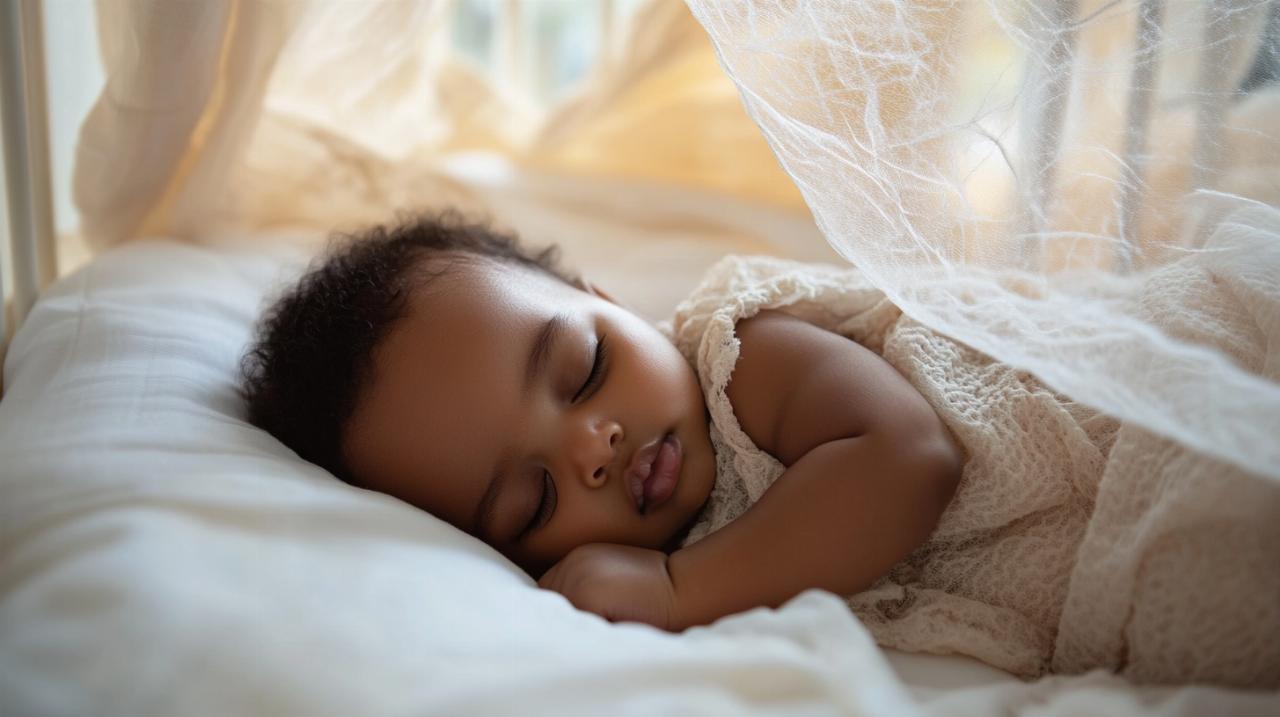
The most reliable and safest method of protecting babies from mosquito bites is the use of physical barriers, which prevent the insects from coming into contact with the skin in the first place. Mosquito nets are an essential tool, particularly for use over cots, prams, and strollers, creating a secure environment where your baby can rest without the risk of being bitten. Long-lasting insecticide-treated nets are highly effective and are widely recommended, especially when travelling to regions where mosquito-borne diseases are more common. These nets are designed to provide robust protection and can be purchased for a reasonable price, with options available both online and in specialist retailers. For prams and pushchairs, specific accessories such as fitted mosquito nets are practical solutions that can be easily attached and removed as needed, offering peace of mind during walks in the park or outdoor family gatherings.
In addition to netting, dressing your baby in appropriate clothing is a simple yet highly effective preventative measure. Long sleeves and trousers made from lightweight, breathable fabrics can cover the skin and reduce the areas available for mosquitoes to bite. Light-coloured clothing is preferable, as mosquitoes are less attracted to paler shades compared to darker ones. Loose-fitting garments are also recommended because they make it more difficult for mosquitoes to reach the skin through the fabric. Some parents choose to apply permethrin to clothing and gear, which is a treatment that repels insects and is safe for children when used on fabrics rather than directly on the skin. This combination of physical barriers and strategic clothing choices forms the foundation of a comprehensive mosquito protection strategy that minimises reliance on chemical repellents, which may not always be suitable for very young infants.
Eliminating breeding grounds around your home and garden
Reducing the mosquito population in and around your home is a proactive step that can significantly decrease the likelihood of bites. Mosquitoes lay their eggs in standing water, and even small amounts of stagnant water can serve as a breeding ground for these pests. Regularly checking your garden, patio, and any outdoor spaces for sources of standing water is crucial. This includes emptying plant saucers, birdbaths, paddling pools, and any containers that may collect rainwater. Gutters should be kept clear to prevent water from pooling, and any areas where water tends to accumulate should be addressed promptly. By eliminating these breeding sites, you can reduce the number of mosquitoes in your immediate environment, making it safer for your baby to spend time outdoors.
Indoor measures are equally important in creating a mosquito-free environment. Keeping windows and doors closed during peak mosquito activity times, which are typically dawn and dusk, can help prevent mosquitoes from entering your home. If you prefer to keep windows open for ventilation, ensure that they are fitted with insect screens that are in good repair and free from gaps or tears. Air conditioning can also be beneficial, as it allows you to maintain a comfortable temperature indoors without the need to open windows, thereby reducing the risk of mosquitoes gaining entry. Additionally, avoiding the use of bright lights near open windows in the evening can make your home less attractive to mosquitoes, which are drawn to light sources. These environmental management strategies, when combined with personal protection measures, create a multi-layered defence that is effective in keeping mosquitoes at bay.
Safe Treatment Options and When to Seek Medical Advice
Natural Remedies and Baby-Safe Repellents for Sensitive Skin
When it comes to applying repellents to a baby's skin, caution and careful product selection are paramount. Insect repellents containing DEET are widely recognised for their effectiveness, but their use on very young babies is subject to strict guidelines. DEET-based products should not be used on babies under the age of two months, and for infants between two and six months, only products with low concentrations of DEET, typically up to ten percent, are considered safe. For older babies and toddlers over six months, baby-specific lotions and formulations are available that are designed to be gentle on sensitive skin while providing adequate protection. These products should be applied sparingly to exposed skin, avoiding areas such as the hands, face, and any broken or irritated skin. It is advisable to apply the repellent to your own hands first and then gently rub it onto the baby's skin, ensuring even coverage without over-application.
Natural repellents, such as those containing citronella, lemongrass, or eucalyptus oil, are often preferred by parents seeking to avoid synthetic chemicals. However, it is important to recognise that plant-based products tend to be less effective than DEET or picaridin-based repellents and require more frequent reapplication. Oil of lemon eucalyptus, for instance, can offer protection similar to low-concentration DEET but is not recommended for children under three years of age. For babies who cannot yet tolerate any form of skin repellent, wristbands or patches infused with essential oils can be an alternative, although their effectiveness is generally limited compared to direct application of repellent. Mosquito wipes containing eucalyptus and aloe vera provide a convenient option for quick application when out and about, though they too should be used with care and according to the manufacturer's instructions.
In the event that a mosquito bite does occur, treating the affected area promptly can help to alleviate discomfort and prevent further complications. Cleaning the bite with gentle soap and warm water is the first step, followed by the application of a cold, damp compress to reduce swelling and soothe the itching. A paste made from baking soda and water can also be applied to the bite to provide relief. For more persistent inflammation, a low-strength hydrocortisone cream may be used up to three times a day, but this should be done cautiously and not without first checking with a healthcare professional, particularly for very young babies. Some parents find that using a warm compress with calendula oil can help to reduce inflammation naturally. It is important to keep the bite clean and to prevent the baby from scratching, as this can introduce bacteria and lead to infection.
Recognising Signs of Infection or Allergic Reactions Requiring GP Consultation
While most mosquito bites will heal without intervention, there are circumstances where medical advice should be sought without delay. If a bite becomes infected, you may notice increased redness, warmth, swelling, or the presence of pus around the affected area. In such cases, a visit to your GP is necessary, as an infected bite may require antibiotic treatment. Additionally, if the bite causes significant swelling that extends beyond the immediate area of the bite, or if the baby develops blisters, hives, or swollen lymph nodes, this may indicate a more severe reaction that warrants professional assessment. Although true allergic reactions to mosquito bites are rare, babies are inherently more sensitive, and their responses can sometimes be more dramatic than those of older children or adults.
Parents should also be vigilant for systemic symptoms that may suggest a more serious issue. If your baby develops a fever, begins vomiting, experiences diarrhoea, or displays a rash that is not localised to the bite area, immediate medical consultation is essential. Similarly, if the baby shows signs of breathing difficulties, persistent headaches, or appears unusually lethargic or irritable, these could be indicators of a reaction that requires urgent attention. In regions where mosquitoes are known to transmit diseases such as Japanese Encephalitis, it is particularly important to seek medical advice if any unusual symptoms develop following a bite. Vaccination against such diseases is available and may be recommended for families travelling to high-risk areas, with options suitable for babies as young as two months of age. Always consult with your GP before travelling to ensure that your baby receives appropriate vaccinations and advice tailored to your destination.
In summary, protecting the delicate skin of mixed-race babies from mosquitoes involves a combination of physical barriers, careful use of repellents, environmental management, and prompt treatment of any bites that do occur. By staying informed and attentive, parents can ensure that their little ones remain safe and comfortable, whether at home or while exploring new environments. Should any concerns arise regarding reactions to bites or the suitability of protective measures, do not hesitate to consult your GP for personalised guidance and reassurance.