When winter's icy grip takes hold, it's often our hands and feet that bear the brunt of the cold first. Whether you're venturing outdoors for a brisk walk or simply trying to stay comfortable at home, keeping your extremities warm is essential not just for comfort but for maintaining your overall body temperature. Understanding why these parts of the body chill so quickly and knowing the most effective strategies to warm them up can make all the difference during the colder months.
Understanding why your extremities get cold
The human body is remarkably adept at protecting its core, and this survival mechanism is precisely why your hands and feet often feel the cold long before the rest of you does. When temperatures drop, blood vessels in your extremities constrict, redirecting warm blood to vital organs such as the heart, lungs, and brain. This process, whilst essential for survival, means that the fingers, toes, and other outlying areas receive less circulation and consequently less warmth. For many people, this natural response is simply an inconvenience, but for others, particularly the elderly or those with certain medical conditions, it can pose genuine discomfort and even health risks.
How poor circulation affects hands and feet
Circulation plays a central role in determining how warm or cold your hands and feet feel. When blood flow to these areas is reduced, they lose heat more rapidly and struggle to maintain a comfortable temperature. A sedentary lifestyle, where movement is limited, can exacerbate poor circulation, as can wearing clothing that is too tight around the wrists or ankles. Even seemingly minor restrictions can impede the flow of blood, leaving your extremities feeling perpetually chilled. Additionally, external factors such as cold weather naturally cause the body to prioritise keeping the core warm, further reducing blood flow to the hands and feet. This is why even on a moderately cold day, you might find your fingers and toes feeling icy whilst the rest of your body remains relatively comfortable.
Medical conditions that impact body temperature regulation
Certain medical conditions can significantly affect how well your body regulates temperature, particularly in the extremities. Raynaud's phenomenon, for instance, causes blood vessels in the fingers and toes to narrow excessively in response to cold or stress, leading to episodes of numbness and colour changes in the skin. Anaemia, characterised by a lack of healthy red blood cells, can also result in persistently cold hands and feet, as there is insufficient haemoglobin to carry oxygen and warmth throughout the body. Diabetes, meanwhile, can lead to nerve damage and reduced circulation, both of which contribute to a sensation of coldness. If you experience persistent or severe coldness accompanied by pain, numbness, or changes in skin colour, it is important to consult a healthcare professional to rule out any underlying conditions that may require treatment.
Effective Layering Techniques for Hands and Feet
Layering is the cornerstone of staying warm in cold conditions, and this principle applies just as much to your hands and feet as it does to the rest of your body. The key is to create pockets of insulation that trap warm air close to the skin whilst also managing moisture and protecting against wind and wet conditions. Choosing the right materials and understanding how to layer strategically can transform your comfort levels, whether you are out for a winter walk or simply pottering about indoors on a chilly day.
Choosing the Right Materials: From Base Layers to Outer Protection
The materials you choose for your gloves and socks can make an enormous difference to how warm your hands and feet stay. Merino wool is often recommended for base layers because it naturally wicks moisture away from the skin, keeping you dry and preventing the chill that comes from damp fabrics. Unlike cotton, which retains moisture and loses its insulating properties when wet, wool and synthetic materials continue to provide warmth even in damp conditions. For gloves, wool, leather, or high-quality synthetics offer excellent insulation, and adding a waterproof outer layer is essential when venturing out in wet or snowy weather. Similarly, woollen socks or those with insulating materials are far superior to thin cotton socks, which offer little protection against the cold. Waterproof footwear is equally important, as wet feet lose heat rapidly and can become uncomfortable very quickly. Breathable fabrics also play a crucial role, as they allow moisture from perspiration to escape, preventing the buildup of dampness that can make you feel even colder.
Strategic layering: avoiding restriction whilst maximising insulation
Whilst layering is essential, it is equally important to ensure that gloves and socks are not too tight. Restrictive clothing can compress blood vessels, reducing circulation and leaving your extremities feeling colder than they would otherwise. When choosing gloves, opt for a size that allows for slight movement and air circulation around your fingers, as this trapped air acts as an additional layer of insulation. Mittens are often warmer than gloves because they allow your fingers to share warmth, though they can be less practical for tasks requiring dexterity. For your feet, wearing one pair of good-quality thermal socks is generally more effective than doubling up on thin pairs, which can create tightness and restrict blood flow. Pulling sleeves down over the top of your gloves minimises gaps where cold air can seep in, and ensuring that your trousers cover the tops of your socks serves a similar purpose. Adjusting your layers throughout the day is also important, as overheating can lead to sweating, which in turn can make you feel colder once the moisture cools against your skin.
Quick Methods to Restore Warmth to Cold Extremities
When your hands and feet have already become cold, there are several effective methods to restore warmth quickly. Combining active techniques that stimulate blood flow with passive warming solutions can provide rapid relief and help you feel comfortable again. The key is to act promptly, as prolonged exposure to cold can lead to more serious issues such as frostbite or hypothermia, particularly in vulnerable individuals.
Active warm-up techniques: movement and massage
One of the simplest and most effective ways to warm up cold hands and feet is to get moving. Physical activity generates heat and increases circulation, sending warm blood back to your extremities. A brisk walk, some gentle jogging on the spot, or even simple exercises such as ankle rotations and finger stretches can make a noticeable difference within minutes. Wiggling your fingers and toes regularly is another useful habit, as it encourages blood flow even when you are sitting or standing still. Massage is equally beneficial; gently rubbing your hands together or massaging your feet can stimulate circulation and bring warmth back to chilled skin. If you are indoors, try placing your hands under your armpits or tucking your feet under a cushion or blanket to trap body heat. For those who spend long periods sitting, putting your feet up can help, as it prevents them from resting in the coldest part of the room where cold air tends to settle.
Passive warming solutions: heat sources and proper hydration
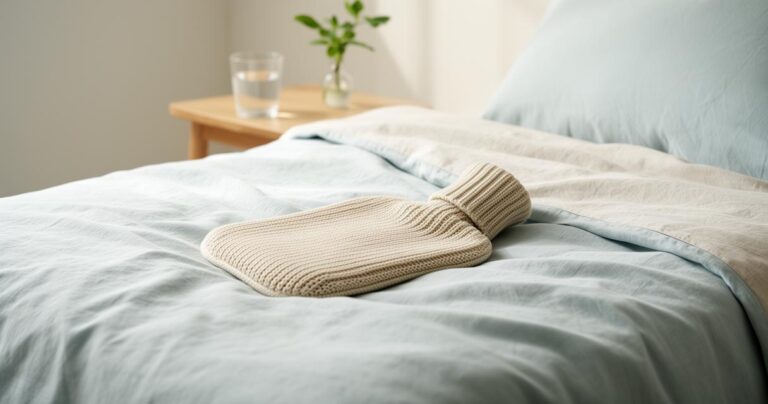
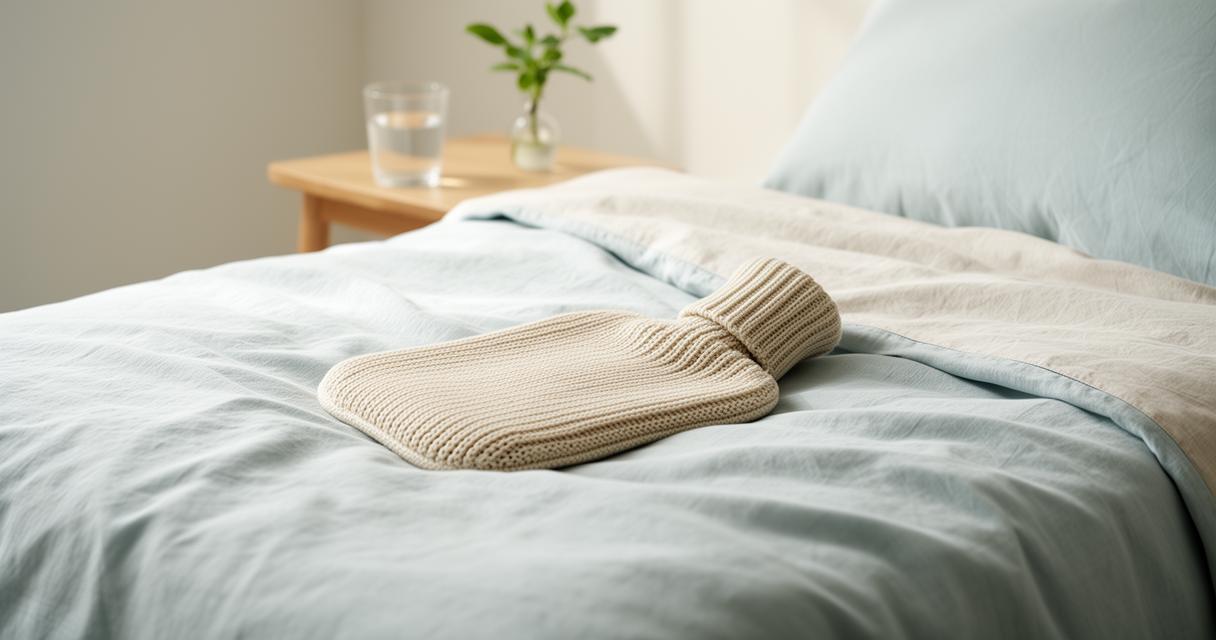
Passive warming methods can complement active techniques and provide sustained comfort. A warm drink, such as a cup of tea or hot chocolate, can help raise your overall body temperature and provide an immediate sense of warmth. Soaking your hands and feet in warm water is another quick fix, though the water should be warm rather than hot to avoid shocking the skin. Hot-water bottles and electric blankets are excellent options for warming up at home, particularly before bed, but it is crucial never to use them together to avoid the risk of overheating or burns. Hand and foot warmers, which are small disposable heat packs, can be slipped into gloves or shoes and provide several hours of warmth. Fur warmers, which are reusable alternatives, offer a more environmentally friendly option. Electric socks and heated clothing, such as vests and gloves, are increasingly popular and can be particularly effective for those who spend extended periods outdoors in extreme cold. Staying hydrated is also important, as dehydration can impair circulation and make it harder for your body to regulate its temperature. Wearing a hat or a buff around your head and face can further prevent heat loss, ensuring that your body retains warmth more effectively overall.