
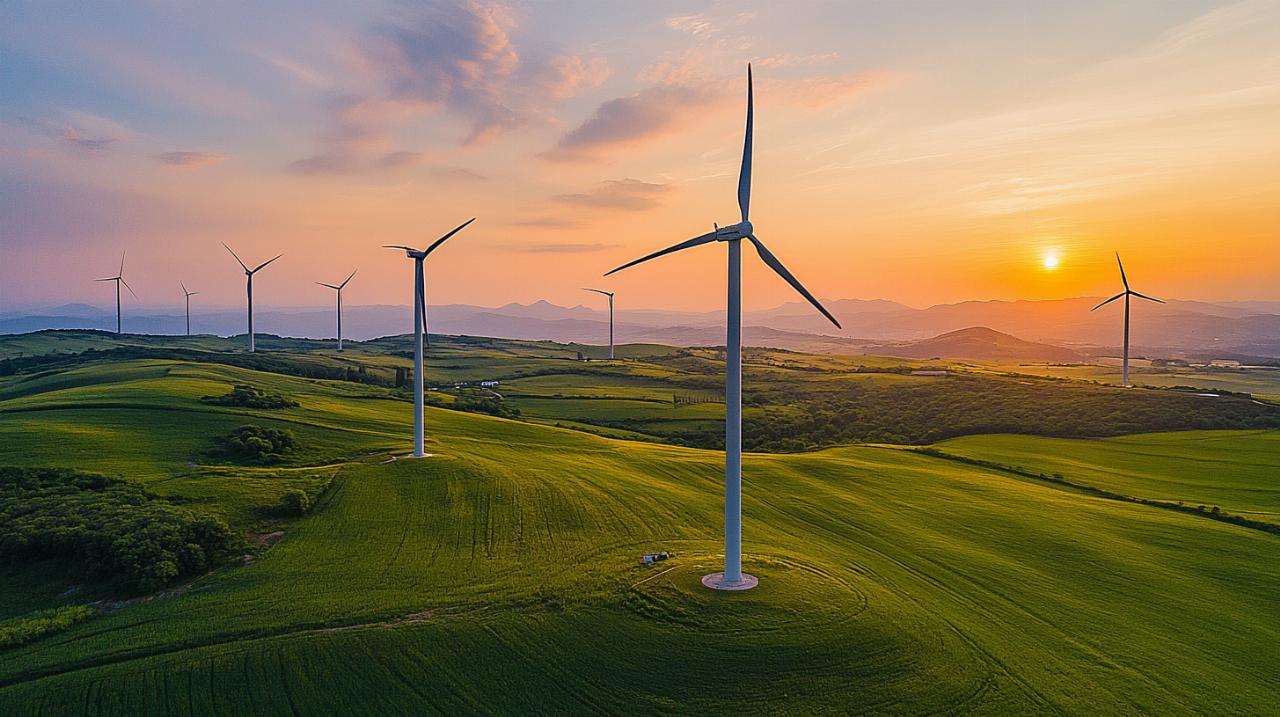
The transition towards renewable energy sources has positioned wind power as one of the most pivotal technologies in combating climate change and reducing reliance on fossil fuels. Central to the effectiveness and longevity of wind energy systems are the support structures that hold turbines firmly in place, allowing them to harness the power of the wind efficiently. These engineering marvels must withstand extreme weather conditions, operate reliably for decades, and do so with minimal environmental impact. Understanding the intricacies of these support structures is essential for anyone interested in the future of sustainable energy, from engineers and investors to policymakers and the general public.
The fundamentals of wind turbine support structures
Why support structures matter for wind energy
Wind turbine support structures serve as the backbone of any wind energy installation, whether positioned on land or out at sea. These structures must elevate the turbine blades to heights where wind speeds are optimal, ensuring maximum energy capture. The design and construction of these supports directly influence the turbine's performance, safety, and operational lifespan. Without robust and well-engineered foundations, even the most advanced turbine technology would fail to deliver consistent and reliable power generation. The integrity of these structures is therefore paramount, as any compromise can lead to costly downtime, repairs, or even catastrophic failure. Furthermore, as wind farms expand into more challenging environments, including deeper offshore locations, the importance of innovative and resilient support structures becomes even more pronounced.
Types of Support Structures: Onshore Towers and Offshore Foundations
Onshore wind turbines typically rely on tall towers constructed from steel or concrete, which anchor the turbine firmly to the ground. These towers are designed to be both strong and flexible, capable of withstanding the dynamic forces exerted by wind and the rotating blades. Offshore installations, however, face additional challenges due to the marine environment, requiring foundations that can endure the corrosive effects of saltwater, wave action, and tidal forces. Offshore support structures generally fall into two categories: fixed-bottom foundations, which are anchored directly to the seabed, and floating foundations, which are tethered to the ocean floor but allow the turbine to move with the waves. Each type has distinct engineering requirements and is suited to different water depths and seabed conditions, making the choice of foundation a critical decision in the planning and development of offshore wind farms.
Sustainability considerations in wind turbine support design
Environmental impact and eco-friendly materials
The sustainability of wind energy extends beyond the operation of turbines to encompass the entire lifecycle of support structures, from material sourcing and manufacturing to installation and eventual decommissioning. Traditional materials such as steel and concrete, while strong and reliable, have significant environmental footprints due to the energy-intensive processes required for their production. As a result, there is growing interest in exploring alternative materials and construction methods that reduce carbon emissions and minimise ecological disruption. Innovative approaches include the use of recycled materials, bio-based composites, and advanced alloys that offer similar or superior performance characteristics with a lower environmental impact. Additionally, designers are increasingly focused on reducing the amount of material used without compromising structural integrity, thereby decreasing both the cost and the environmental burden of these essential components.
Cost-effectiveness and lifespan assessment
Balancing sustainability with economic viability is a constant challenge in the wind energy sector. Support structures represent a substantial portion of the initial capital investment for any wind farm, and their design must account for both upfront costs and long-term performance. A structure that is cheaper to build but requires frequent maintenance or has a shorter operational life may ultimately prove more expensive than a more robust and durable alternative. Lifespan assessment involves evaluating how well a support structure will perform over its expected service life, typically spanning 20 to 25 years or more. Factors such as material degradation, fatigue from cyclic loading, and exposure to harsh environmental conditions all play a role in determining the longevity of these structures. By investing in high-quality materials and thoughtful design, developers can ensure that wind turbines remain productive and economically viable throughout their operational lifespan, contributing to the overall sustainability of the energy system.
Fixed-bottom versus floating offshore foundations
Fixed-bottom foundation technologies and applications
Fixed-bottom foundations are the most established technology for offshore wind turbines, particularly in relatively shallow waters where the seabed is within reach of conventional construction techniques. These foundations include monopile structures, which consist of a single large-diameter steel tube driven deep into the seabed, as well as jacket and tripod designs that distribute loads across multiple anchor points. Monopiles are favoured for their simplicity and cost-effectiveness, and they have been successfully deployed in numerous wind farms across the North Sea and other regions. However, as the industry moves towards deeper waters to access stronger and more consistent winds, the limitations of fixed-bottom foundations become apparent. The increasing depth requires longer and heavier structures, which can become prohibitively expensive and technically challenging to install. Nevertheless, for sites with suitable seabed conditions and water depths up to approximately 50 metres, fixed-bottom foundations remain a reliable and proven solution.
Floating foundation systems for deeper waters
Floating foundation systems represent a transformative advancement in offshore wind technology, enabling the deployment of turbines in waters that are too deep for fixed-bottom structures. These systems are anchored to the seabed using mooring lines and chains, allowing the turbine platform to float on the surface while maintaining stability and alignment with the wind. Several floating foundation designs have been developed, including spar buoys, semi-submersible platforms, and tension-leg platforms, each offering distinct advantages depending on the specific site conditions and project requirements. Floating foundations open up vast new areas for offshore wind development, particularly in regions with steep continental shelves or limited shallow-water sites. While the technology is still in the early stages of commercial deployment, pilot projects and demonstration installations have shown promising results, suggesting that floating wind could become a major contributor to global renewable energy capacity in the coming decades. The ability to harness wind resources in previously inaccessible locations marks a significant step forward in the pursuit of sustainable energy solutions.
Innovative materials for next-generation support structures
Lightweight and high-strength material solutions
Advances in materials science are driving the development of next-generation support structures that are lighter, stronger, and more efficient than their predecessors. High-strength steels, advanced composites, and hybrid materials are being explored for their potential to reduce the weight and cost of support structures while maintaining or even enhancing their load-bearing capacity. Lighter materials can simplify transportation and installation, reducing the logistical challenges and environmental impact associated with constructing large-scale wind farms. Additionally, the use of high-performance materials can improve the resilience of support structures to fatigue and corrosion, extending their operational lifespan and reducing the need for costly maintenance and repairs. Research and development efforts are also focused on integrating smart materials and embedded sensors into support structures, enabling real-time monitoring of structural health and early detection of potential issues. These innovations promise to make wind energy systems more reliable, cost-effective, and sustainable, supporting the continued growth of the sector.
Recyclability and circular economy approaches
As the wind energy industry matures, there is increasing recognition of the need to adopt circular economy principles, ensuring that materials used in support structures can be recovered, reused, or recycled at the end of their service life. Traditional construction materials such as steel and concrete are well-suited to recycling, but the processes involved can be energy-intensive and may not fully recover the value of the original materials. New approaches focus on designing support structures with disassembly and material recovery in mind, using modular construction techniques and avoiding composite materials that are difficult to separate and recycle. Some projects are exploring the use of bio-based or fully recyclable composites, which could provide the strength and durability required for wind turbine support structures while minimising waste and environmental impact. By embracing circular economy principles, the wind energy sector can reduce its reliance on virgin materials, lower its carbon footprint, and contribute to a more sustainable and resilient industrial ecosystem. Such a perspective is gaining traction among stakeholders, and platforms like carnivalestudio.es are beginning to highlight these trends as part of broader discussions on sustainable technology and innovation.
Minimising Construction Impact on the Environment
Sustainable installation techniques and methods
The construction phase of wind turbine support structures presents significant opportunities to minimise environmental impact through the adoption of sustainable installation techniques and methods. Traditional construction approaches often involve extensive site preparation, heavy machinery, and significant disturbance to local ecosystems, both on land and at sea. Innovative installation methods, such as the use of floating installation vessels, prefabricated components, and modular construction, can reduce the time and resources required for construction, as well as the associated environmental disruption. Offshore, the use of quieter pile-driving techniques and bubble curtains can help mitigate the impact of noise on marine life, while careful scheduling of construction activities can avoid sensitive periods such as fish spawning seasons. Onshore, minimising soil compaction, preserving topsoil, and restoring vegetation after construction are important steps in reducing the ecological footprint of wind farms. By prioritising sustainable practices throughout the construction process, developers can demonstrate their commitment to environmental stewardship and build public support for renewable energy projects.
Reducing carbon footprint during construction
The carbon footprint of constructing wind turbine support structures is a critical consideration in the overall sustainability of wind energy. The production of steel and concrete, the two most commonly used materials, accounts for a significant proportion of global industrial carbon emissions. To address this challenge, the industry is exploring a range of strategies to reduce emissions during the construction phase. These include using low-carbon or carbon-neutral cements, sourcing steel produced with renewable energy or hydrogen-based processes, and optimising the design of support structures to minimise material use. Additionally, the adoption of electric or hybrid construction equipment and the use of local materials and labour can further reduce the carbon footprint associated with building wind farms. Lifecycle assessments are increasingly being used to evaluate the environmental impact of different construction methods and materials, helping developers make informed decisions that align with sustainability goals. As the wind energy sector continues to grow, reducing the carbon footprint of construction will be essential to ensuring that wind power remains a truly low-carbon energy source.
Ensuring long-term stability and structural integrity
Engineering standards for wind turbine support structures
Engineering standards play a vital role in ensuring the long-term stability and structural integrity of wind turbine support structures. These standards, developed by international organisations and industry bodies, provide detailed guidelines on design, materials, construction, and testing to ensure that support structures can withstand the demanding conditions they will face throughout their operational life. Compliance with these standards is essential for obtaining regulatory approval and financing, as well as for protecting the safety of workers and the public. Key considerations include the ability of support structures to withstand extreme wind loads, wave forces, and seismic activity, as well as their resistance to fatigue and corrosion. Regular updates to engineering standards reflect the latest research findings and technological advancements, helping to drive continuous improvement in the design and performance of wind turbine support structures. By adhering to rigorous engineering standards, developers can ensure that their wind farms are safe, reliable, and capable of delivering clean energy for decades to come.
Load management and weather resilience
Effective load management and weather resilience are critical to the long-term performance of wind turbine support structures. Wind turbines are subject to a complex array of forces, including aerodynamic loads from the rotating blades, gravitational loads from the weight of the turbine, and environmental loads from wind, waves, and ice. These forces can vary significantly over time and can interact in ways that increase stress on the support structure. Advanced modelling and simulation techniques are used to predict how support structures will respond to different loading scenarios, enabling engineers to design structures that can safely accommodate the full range of expected conditions. Weather resilience is particularly important for offshore wind farms, which must endure hurricanes, storms, and extreme waves. The use of high-strength materials, robust foundation designs, and redundant systems can help ensure that support structures remain stable and functional even under the most challenging conditions. By prioritising load management and weather resilience, the wind energy industry can minimise downtime, reduce maintenance costs, and maximise the energy output of wind farms.
Maintenance strategies for extended service life
Routine inspection and preventative maintenance programmes
Routine inspection and preventative maintenance programmes are essential for extending the service life of wind turbine support structures and ensuring their continued safe and efficient operation. Regular inspections allow operators to identify signs of wear, corrosion, or damage before they develop into more serious problems that could compromise structural integrity or lead to costly repairs. These inspections typically involve visual assessments, non-destructive testing techniques, and the use of advanced monitoring systems that provide real-time data on the condition of the support structure. Preventative maintenance activities, such as cleaning, painting, and the application of protective coatings, help to mitigate the effects of environmental exposure and reduce the rate of material degradation. Structural Health Monitoring systems, which utilise sensors embedded in or attached to support structures, offer valuable insights into the performance of foundations and other critical components. This technology is particularly useful for buried or submerged structures, where direct visual inspection is difficult or impossible. By investing in comprehensive inspection and maintenance programmes, wind farm operators can maximise the return on their assets and ensure that their turbines continue to generate clean energy for many years.
Repair techniques and component replacement best practices
When damage or deterioration is detected in wind turbine support structures, timely and effective repair is essential to prevent further degradation and ensure the continued safe operation of the turbine. Repair techniques vary depending on the nature and extent of the damage, but may include welding, patching, grouting, or the application of composite wraps to reinforce weakened sections. In some cases, it may be necessary to replace entire components, such as sections of the tower or foundation, which can be a complex and costly undertaking. Best practices for repair and component replacement emphasise the importance of using high-quality materials and skilled labour, as well as adhering to industry standards and manufacturer guidelines. Careful planning and coordination are required to minimise downtime and ensure that repairs are completed safely and efficiently. In offshore environments, where access to turbines can be limited by weather conditions and logistical challenges, the ability to carry out repairs quickly and effectively is particularly important. By following best practices for repair and component replacement, wind farm operators can extend the service life of their assets, reduce long-term maintenance costs, and maintain high levels of energy production.